
Last updated October 17, 2026
 Wrought iron
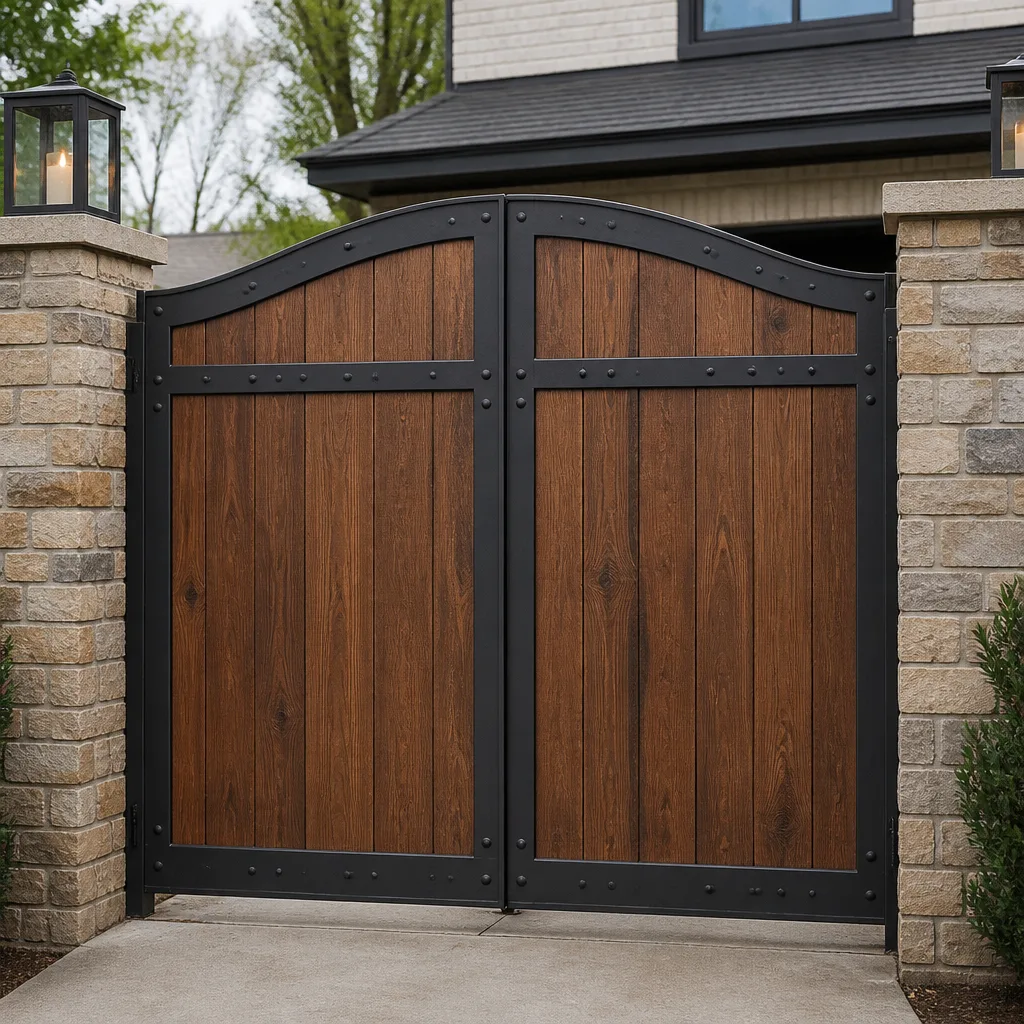 Wood & steel frame
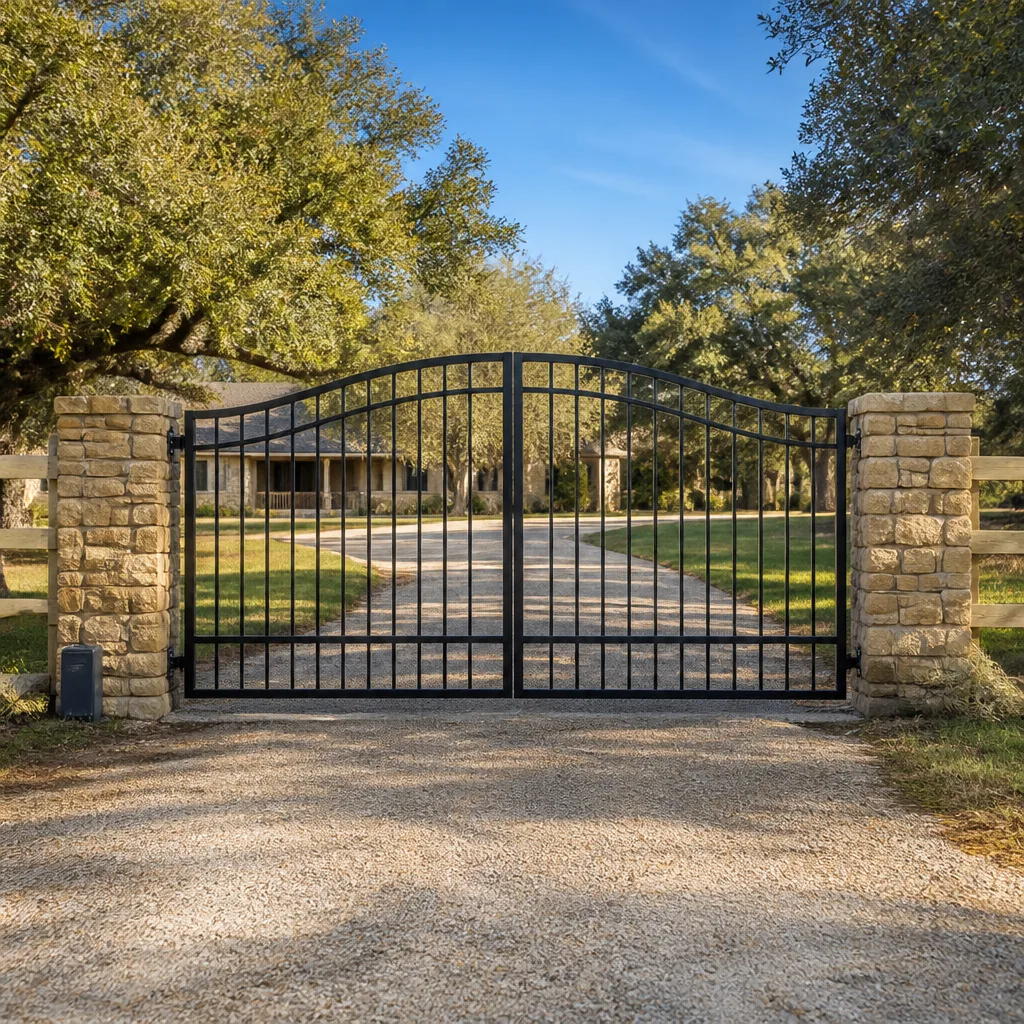 Farm & ranch
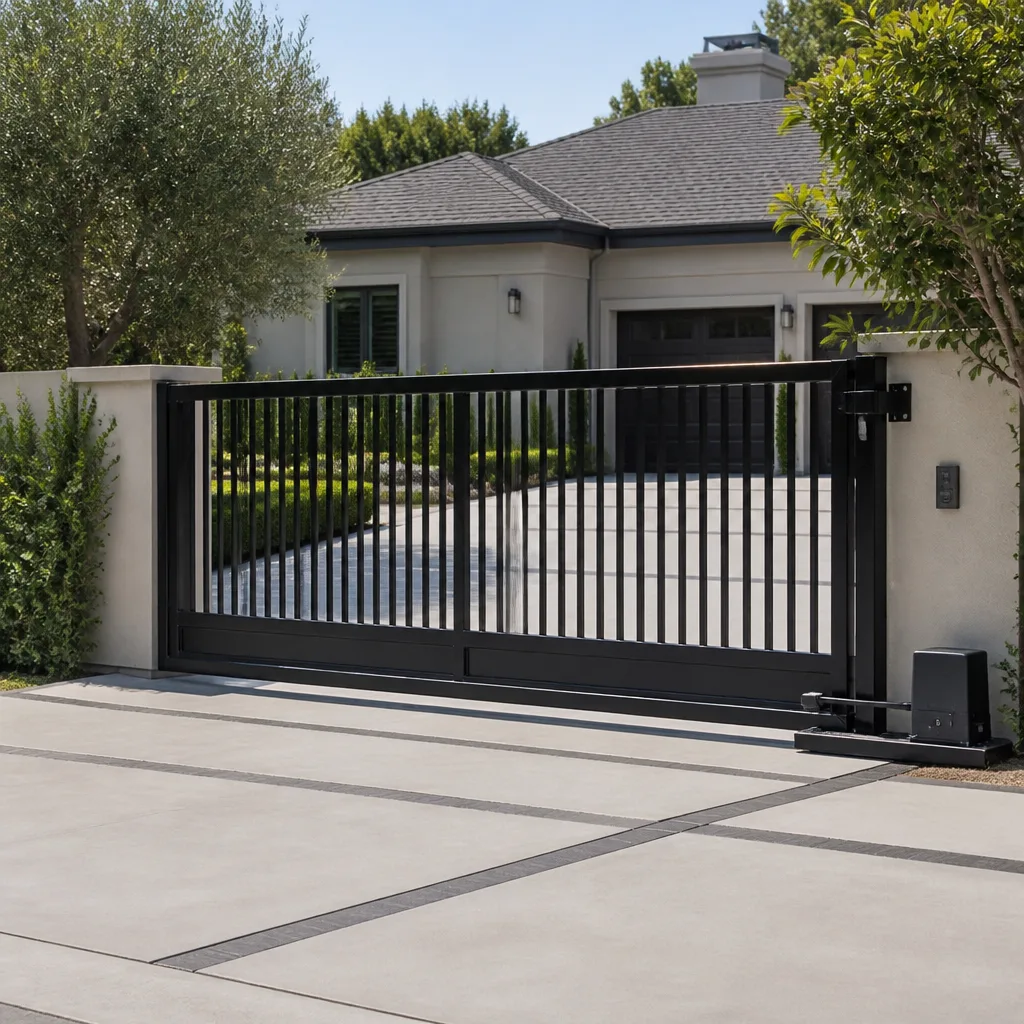 Sliding driveway gates
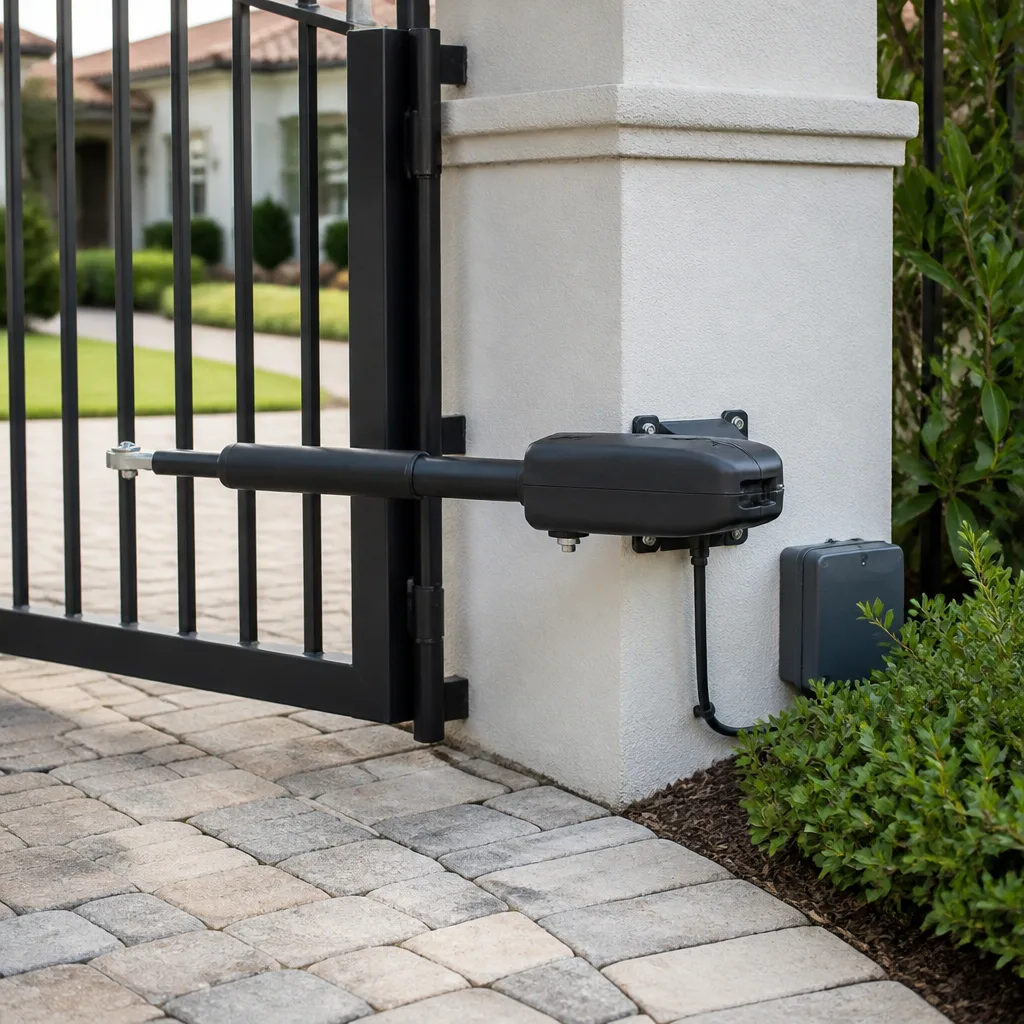 LiftMaster operators
Free on-site gate assessment - hinges, posts, and your LiftMaster or Nice gate operator checked before anything is quoted
The assessment is free and the quote is the invoice.
Get your free estimateGate Repair Permits, Codes & Inspections in CA: What You Need to Know
Here’s a stat most Fresno homeowners don’t expect: roughly 80% of the residential gate repair calls we run never touch a permit desk. Replacing a bent hinge, swapping a latch, or hanging a new gate panel on an existing post is considered ordinary maintenance under California Building Code. But that last 20% is where it gets interesting. Pour a new concrete footer, run a new electrical circuit to an operator, or put up a fence segment over six feet on a property line, and you’ve entered a world of plan reviews, inspection scheduling, and HOA overlays that can turn a two-day project into a six-week process. This guide draws the line clearly, so you know exactly which Fresno projects you can self-manage and which ones call for our Gate Repair services with a paper trail.
Quick Answer
Most gate repairs in Fresno, California are permit-exempt because they fall under California Building Code Section 105.2’s list of ordinary repairs, covering items like hardware replacement, panel swaps on existing posts, and cosmetic fixes. The work that does require a permit is narrower but predictable: new concrete footers, new electrical wiring to an automatic gate operator, or fence and gate structures over six feet on a property line. Automatic gate operators also carry a separate compliance layer called UL 325, which governs entrapment protection and sensor placement regardless of whether a permit is required.
Styles & brands we work with
Table of Contents
- Permit-Exempt Gate Repairs in Fresno: What Section 105.2 Actually Says
- Work That Does Require a Permit: Footers, Wiring, and Height Limits
- UL 325 Compliance for Automatic Gate Operators: What Inspectors Look For
- How to Pull a Residential Gate Permit Through the City of Fresno Portal
- The HOA Overlay: When CC&Rs Add Rules Beyond Municipal Code
- Unpermitted Gate Work and Home Sales: What Happens at Escrow
- Common Mistakes to Avoid
- When to Call a Professional
- Frequently Asked Questions
Permit-Exempt Gate Repairs in Fresno: What Section 105.2 Actually Says
California Building Code Section 105.2 exempts “ordinary repairs” from permit requirements, and the definition matters more than most people realize. An ordinary repair is work that restores or replaces an existing component with a like-kind material, without changing the structure, occupancy, or use. For a gate, that means the hinge you replace, the latch you swap, the panel you hang, and the sag you correct all sit comfortably inside the exemption. The post stays. The footer stays. The electrical stays. You’re fixing a component, not altering a structure.
In Fresno specifically, we see this play out most often with wooden driveway gates and tubular steel pedestrian gates in neighborhoods like Tower District and Sunnyside, where the original posts are still solid but the gate panels themselves have weathered. A homeowner can replace that entire panel, add new hinges, install a heavier-duty latch, and never file a single form with the City of Fresno Building and Safety Division. The key phrase we tell every customer: if you’re not touching concrete and you’re not touching wires, you’re probably exempt.
Common Permit-Exempt Repairs
- Replacing gate hinges, latches, and closers on existing posts
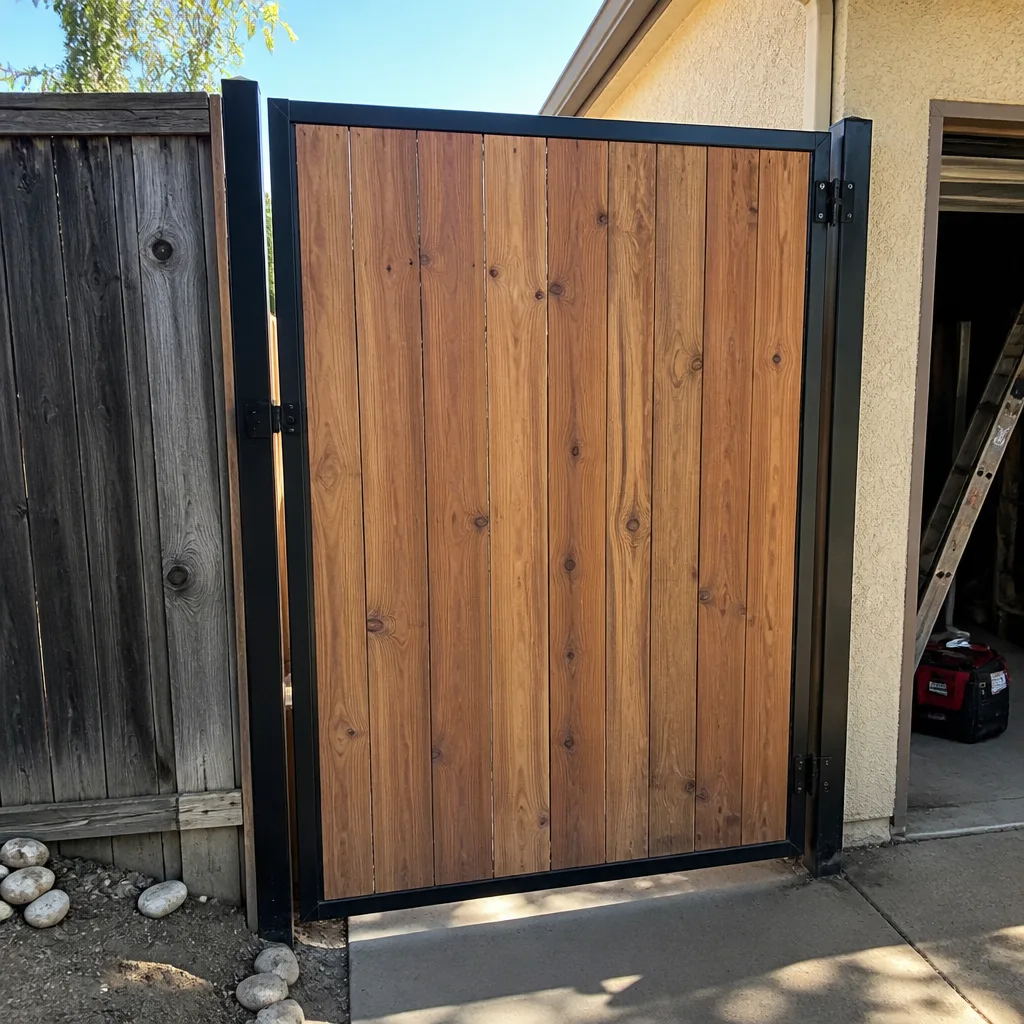
- Swapping a bent or rotted gate panel for a new one of similar dimensions
- Adjusting gate alignment, correcting sag, or re-hanging a gate that pulled loose
- Replacing wheels, track rollers, and guide brackets on sliding gates
- Painting, staining, or sealing existing gate and fence surfaces
- Replacing gate hardware like handles, locks, and pull rings
- Installing a battery-powered keypad or key lockbox without wiring changes
One caveat worth naming: “similar dimensions” does real work in that definition. If you replace a four-foot pedestrian gate with an eight-foot double driveway gate on the same posts, you’ve changed the load on those posts and possibly the wind profile of the opening. That’s a project where we recommend checking Gate Repair Warning Signs: A Fresno Homeowner’s Reference Guide or calling the Fresno permit desk before you start, because the line between repair and alteration is drawn by intent as much as by inches.
Work That Does Require a Permit: Footers, Wiring, and Height Limits
Here’s the counterintuitive part of California gate work: the gate itself rarely triggers a permit. What triggers the permit is almost always underneath or beside the gate. In Fresno County, three specific project types pull you out of the exemption and into the review queue.
1. New Concrete Footers
If a post has rotted at the base, shifted in the soil, or cracked at the concrete line, the fix often involves cutting the old post free, excavating the existing footer, and pouring a new one. That new footer is structural work. The City of Fresno treats it as an alteration to the gate’s foundation, not a repair, which means you’ll need a permit, a plan showing footer depth and diameter, and an inspection before you pour concrete. The footing depth matters in Fresno because our freeze-thaw cycle is less the concern than expansive clay soil; footers typically need to reach 24 to 30 inches to sit below the active soil layer in most Fresno neighborhoods. A licensed contractor will know the current soil report requirements for your specific tract, as outlined in How to Hire a Gate Repair Contractor in Fresno: A Step-by-Step Guide.
2. New Electrical Wiring for Automatic Gate Operators
Installing a Ghost Controls or Mighty Mule opener that runs on its own low-voltage DC motor and a solar panel usually sits on the exempt side, because you’re not adding a circuit to the home’s electrical system. The moment you run 120-volt AC power from the house to the gate, trench a conduit line, or add a dedicated breaker, you’re in permitted territory. Fresno enforces this through the California Electrical Code, which requires a permit for any new branch circuit. This is the most common surprise we explain to Fresno homeowners who want a hardwired DoorKing swing operator on an existing gate: the gate was exempt, but the power run is not.
3. Fence and Gate Structures Over Six Feet
California Building Code limits residential fence heights to six feet in most zones, and when a fence segment or gate exceeds that, the city wants a structural plan and a permit before you build. In Fresno, this comes up most often in newer subdivisions south of Herndon Avenue, where privacy-motivated homeowners want an eight-foot wooden gate to match an eight-foot fence. Some older Fresno neighborhoods have lower limits written into their original zoning overlays, so the only way to know your specific maximum is to check your parcel’s zoning designation or call the permit counter. The height threshold applies to the finished structure, not the existing one, so even replacing a grandfathered seven-foot gate with a new seven-foot gate can technically require review.
UL 325 Compliance for Automatic Gate Operators: What Inspectors Look For
UL 325 is the safety standard that governs automatic gate operators in the United States, and it applies whether or not your specific installation pulled a permit. Any electric gate operator sold and installed in California must comply with UL 325’s entrapment protection rules, which exist for one reason: a moving gate can trap a person, a pet, or a child against a post, and the standard is written to keep that from becoming a tragedy.
In our experience, Fresno inspectors look at three specific elements when they’re called to review an automatic gate installation. First, they check the entrapment protection devices: photo-eye sensors that stop the gate when something crosses the opening, and reverse-edge sensors that stop and reverse the gate when it contacts resistance. Second, they check for proper loop detector placement, typically two loops for a driveway swing gate: one outside the gate for entry, one inside for exit, each positioned far enough from the gate swing path that a vehicle doesn’t trip both at once. Third, they verify that the operator’s manual release is accessible from the exterior side of the gate, so emergency personnel can disengage the motor without entering the property.
The details matter. A photo-eye mounted at four feet high protects adults but misses a crawling child; the standard wants the beam low enough to catch anything knee-height or above. An edge sensor on a sliding gate needs to run the full leading edge, not just the bottom third. These are the things an inspector will actually look at, and they’re also the things that keep your gate from becoming a liability. If you’re replacing an older operator with a newer DoorKing or Elite model, the new unit’s compliance features will often exceed what the original installation had, which is usually a good thing. What it also means is that a homeowner who wires a new operator themselves, skips the sensors, and never pulls a permit has created a code violation and a safety risk in the same afternoon.
How to Pull a Residential Gate Permit Through the City of Fresno Portal
If you’ve determined that your project does need a permit, the City of Fresno process is more navigable than most people expect, but it rewards patience and penalizes incomplete applications. The city runs its permitting through an online portal where residential applicants can submit plans, pay fees, and schedule inspections without ever visiting a counter. Here’s the step-by-step as we’ve walked customers through it for footer, electrical, and over-height permits.
- Confirm your project type. Search the portal’s residential permit categories for “fence,” “gate,” or “electrical” and read the submittal requirements before you start an application. Each category lists the exact drawings and documents the reviewer wants.
- Prepare a site plan. A simple top-down drawing showing your property line, the gate location, setback distances from the street and neighboring structures, and the proposed footer dimensions. Hand-drawn is acceptable if it’s legible and dimensioned, but the city wants actual measurements, not estimates.
- Prepare a construction detail. For a footer permit, a cross-section drawing showing depth, diameter, rebar placement if required, and the post anchor connection. For an electrical permit, a one-line diagram showing the circuit from breaker to gate operator with wire gauge and conduit type.
- Submit and pay. Upload your drawings, fill out the project description, and pay the plan review fee. Residential fence and gate permits in Fresno typically run between $85 and $200 depending on the scope and the number of inspections required, not including any electrical plan check fees for powered gates.
- Wait for plan review. Simple residential gate permits in Fresno are usually reviewed in one to two weeks. Over-height fence requests or projects in older neighborhoods with overlay zones can take longer because zoning staff may need to sign off separately.
- Schedule inspections. Most gate permits require at least two inspections: a footing inspection before concrete is poured, and a final inspection after the gate is installed and, for automatic operators, the UL 325 compliance devices are in place.
One practical note from years of watching this process: the number one reason Fresno residential permit applications stall is missing setback dimensions. The city wants to see the gate’s distance from the front property line and from any side property line before it will approve a structure that sits anywhere near the public right-of-way. Measure it once, write it on the plan, and you’ll save yourself a resubmittal cycle.
The HOA Overlay: When CC&Rs Add Rules Beyond Municipal Code
Fresno’s master-planned communities add a second layer of governance that many homeowners forget until the violation letter arrives. In neighborhoods like Fig Garden, the Woodward Park area, and many of the newer developments north of the San Joaquin River, the HOA’s Covenants, Conditions, and Restrictions (CC&Rs) can impose gate rules that are stricter than anything the City of Fresno requires. You might have a project that is completely permit-exempt at the municipal level and still violates your HOA’s design standards.
The most common HOA gate restrictions we see in Fresno fall into three categories. First, aesthetic control: many associations require board or architectural committee approval before you change the material, color, or style of a gate that faces a street or common area, even if you’re replacing it with something of the same dimensions. Second, height and opacity standards: a HOA may cap fence heights at five feet even where the city allows six, or restrict solid gate panels in favor of designs with some visibility through. Third, operator noise limits: some associations restrict motor type or operating hours for automatic gates in close-quarter lots where the mechanical sound carries into a neighbor’s yard.
The practical takeaway: check your CC&Rs before you check the city portal. The HOA review, when required, is almost always the slower of the two processes, and starting it late can add weeks to a project that the city would have approved in days. If you don’t have a copy of your CC&Rs handy, your property manager or HOA board can provide one, and most Fresno associations now accept design review requests by email with photo attachments showing the proposed gate and hardware.
Unpermitted Gate Work and Home Sales: What Happens at Escrow
This is the section that usually gets the most attention from Fresno sellers, because it’s where a forgotten gate project from five years ago suddenly becomes a line item on a real estate disclosure form. California requires sellers to disclose known unpermitted work, and gate projects are no exception. The discovery usually happens one of two ways: the listing agent asks a direct question about improvements made during ownership, or the buyer’s inspector flags the gate during the inspection contingency and asks to see permits.
When unpermitted gate work is discovered during a Fresno home sale, the resolution path looks different depending on the scope. For a permit-exempt repair like a replaced hinge or a new latch, there’s nothing to resolve because no permit was ever required; a letter from a licensed gate contractor documenting the work as exempt under Section 105.2 usually satisfies a cautious buyer. For work that should have been permitted, like a new footer or a hardwired operator circuit, the seller has three options: obtain the permit retroactively through the City of Fresno, which typically requires an inspection of the existing installation and may require you to expose a portion of the footer or wiring for review; negotiate a credit to the buyer so the buyer assumes responsibility for permitting after the sale; or, in rare cases where the work was installed without UL 325 compliance, correct the safety deficiencies before the sale can close.
The documented work history is the key variable. A contractor who provided a written scope, a dated invoice, and photos of the installation gives you the paper trail needed to show a buyer and a city inspector what was actually done. That’s one reason we’ve always made a point of documenting every gate installation in Fresno with before-and-after photos and a written description of the work. When an unpermitted gate becomes an escrow issue, the absence of documentation is often more expensive than the permit itself would have been.
Common Mistakes to Avoid
- Assuming all gate work is exempt. Replacing hardware on an existing post is exempt. Pouring a new footer for that same post is not. The distinction is structural, not cosmetic, and it catches people every year in Fresno.
- Ignoring the six-foot height rule. Even in neighborhoods where taller fences are common, the municipal limit in most Fresno residential zones is six feet. A seven-foot replacement gate can require a variance or a permit even if the old one predated the current code.
- Skipping UL 325 sensors on a DIY operator install. The operator will work without them. The gate will open and close. And the moment something gets trapped in the closing edge, the absence of that sensor becomes a legal and safety liability, not a corner-cutting convenience.
- Pouring a footer without calling for an inspection. Fresno requires a footing inspection before concrete is placed on permitted projects. If you pour first, you may be asked to re-excavate or drill a test hole to demonstrate the footer depth, which adds cost and delay.
- Forgetting the HOA review timeline. Some Fresno associations take 30 to 45 days to approve a gate change, and their rules can be stricter than the city’s. Start both processes in parallel once you know a permit or approval is needed.
- Running new electrical without a permit on a home you plan to sell. The unpermitted circuit becomes a disclosure item at escrow, and the cost to retroactively permit it usually exceeds what the original permit would have been.
- Choosing an operator based on price alone. A lower-cost Mighty Mule or generic opener that lacks the entrapment protection required by UL 325 will need upgrading before a permit can be finalized, so the savings never actually materialize.
When to Call a Professional
Some gate projects in Fresno are genuinely simple enough for a competent DIY homeowner: a hinge swap, a latch replacement, a panel re-hang on a sound post. But the moment your project touches concrete, electrical, or an automatic operator, the risk profile changes, and it’s worth bringing in someone who does this work every week. A licensed gate contractor will know the current Fresno permit requirements, will pull the permit if one is needed, will schedule the inspections, and will install the UL 325 compliant sensors and loop detectors without you having to learn the standard from scratch. More importantly, they’ll document the work so you have a paper trail if you ever sell the home. Latch and Post Gate Repair Fresno home offers free estimates throughout the Fresno area. Call (559) 785-2501 and we’ll walk the property with you, tell you exactly what needs a permit and what doesn’t, and put the price in writing before any work starts.
Frequently Asked Questions
Replacing a gate panel on existing posts is permit-exempt in Fresno under California Building Code Section 105.2, as long as the new gate is similar in dimensions and material to the original and you’re not altering the posts, footers, or electrical system. If the replacement involves a new gate size, new posts, or a new footer, a permit is likely required. Call (559) 785-2501 for a free assessment of your specific situation.
Residential fence and gate permits in Fresno typically cost between $85 and $200 depending on the scope of work and the number of inspections required, with electrical permits for powered gate operators sometimes adding a separate plan check fee. The total cost is quoted before any work begins. For an exact number on your project, call (559) 785-2501 and we’ll walk you through the current fee schedule.
UL 325 is the national safety standard for automatic gate operators that mandates entrapment protection devices like photo-eye sensors and reverse-edge sensors, proper loop detector placement, and accessible manual release mechanisms. It applies to all automatic gate operators installed in California regardless of whether a permit was pulled, and Fresno inspectors verify compliance during final inspections on permitted projects.
Yes. Fresno HOAs in communities like Fig Garden and the Woodward Park area can impose design standards, height limits, and material restrictions through CC&Rs that apply even when the City of Fresno would not require a permit. Always check your HOA’s architectural review requirements before starting a gate project, because the association approval process is often slower than the city’s.
Unpermitted gate work that required a permit must be disclosed to the buyer during a Fresno home sale, and the typical resolution is either retroactive permitting through the City of Fresno or a credit to the buyer. Documentation from a licensed contractor showing what was installed and when can make the retroactive permitting process faster. Permit-exempt repairs simply need a letter documenting the work as exempt.
Installing a battery-powered or solar-powered operator that runs on its own low-voltage system without connecting to the home’s electrical panel is generally not an electrical permit trigger. Running new 120-volt AC power to the gate, adding a dedicated breaker, or trenching conduit to the operator location does require a permit under the California Electrical Code. Call (559) 785-2501 if you’re unsure which category your project falls into.
The Bottom Line
Most gate repair in Fresno sits safely on the permit-exempt side of California Building Code Section 105.2, covering hardware swaps, panel replacements, alignment corrections, and cosmetic work on existing posts. The permit-triggering work is narrower but predictable: new concrete footers, new electrical runs to automatic operators, and structures that exceed six feet in height. Automatic gate operators carry a separate UL 325 compliance obligation that applies whether or not a permit is pulled. Add in the HOA overlays in Fresno’s master-planned communities, and the smart approach is simple: know your project type, check both the city and the association, and document everything. Whether you’re replacing a latch in Tower District or installing a new automatic gate north of Herndon, the rules are learnable, and a licensed contractor with local experience can make the process feel almost routine. For more guides & resources, explore our blog.outine.
Written by Cody Beckman, Owner at Latch and Post Gate Repair Fresno, serving Fresno since 2009.
See the difference
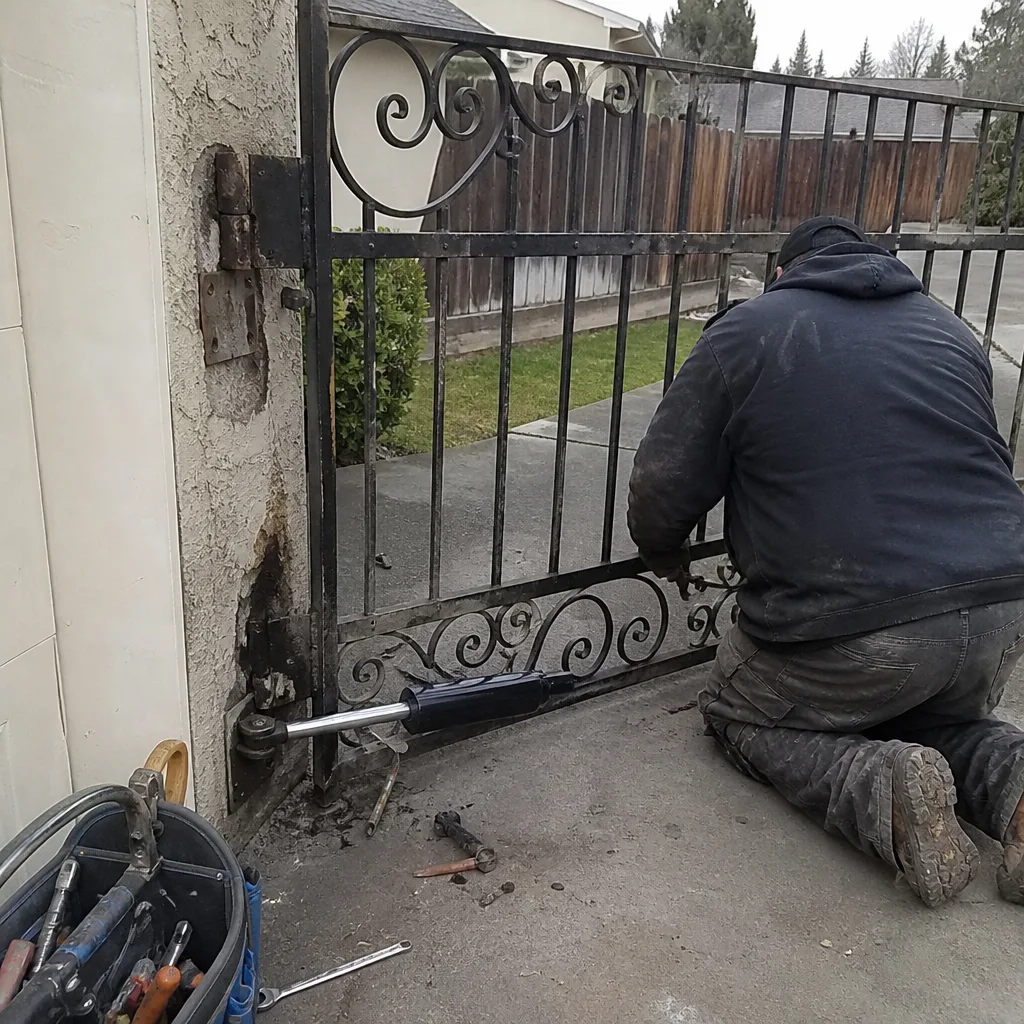 Before
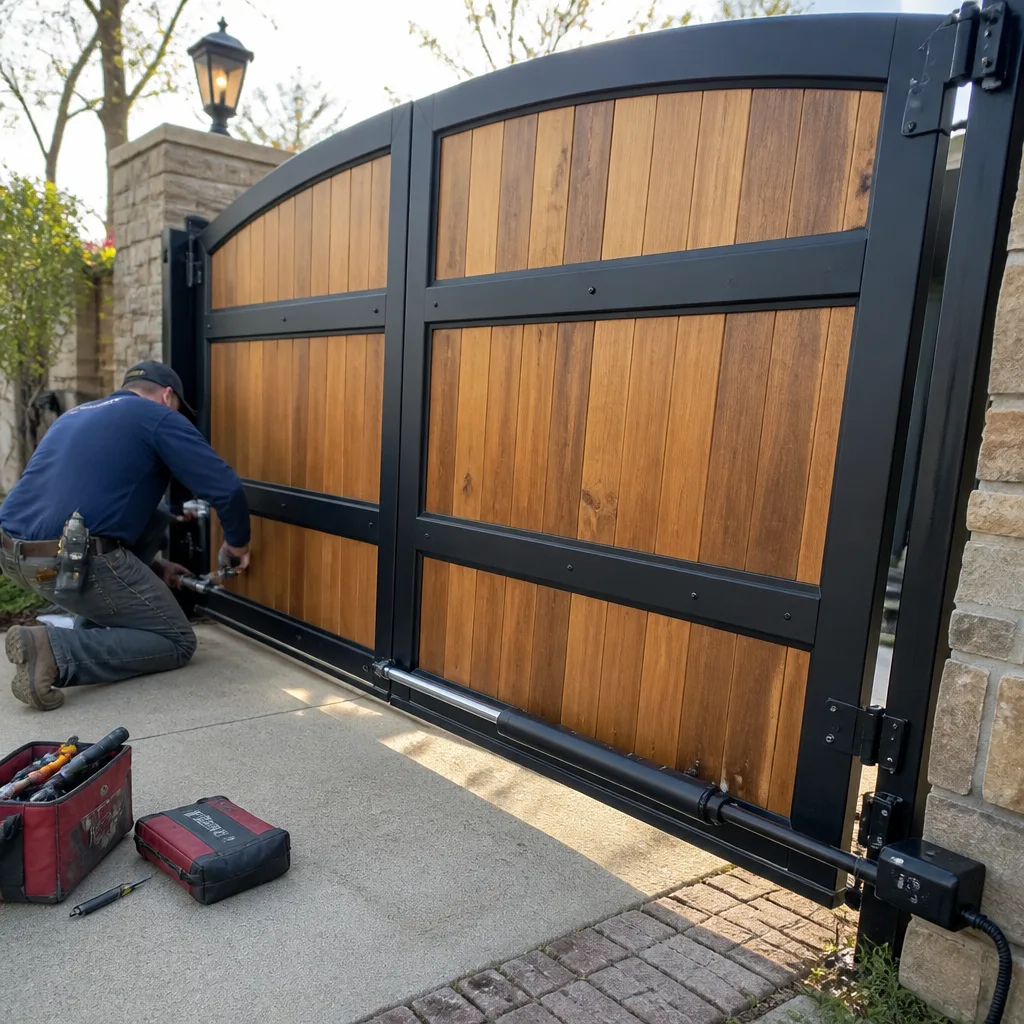 After
After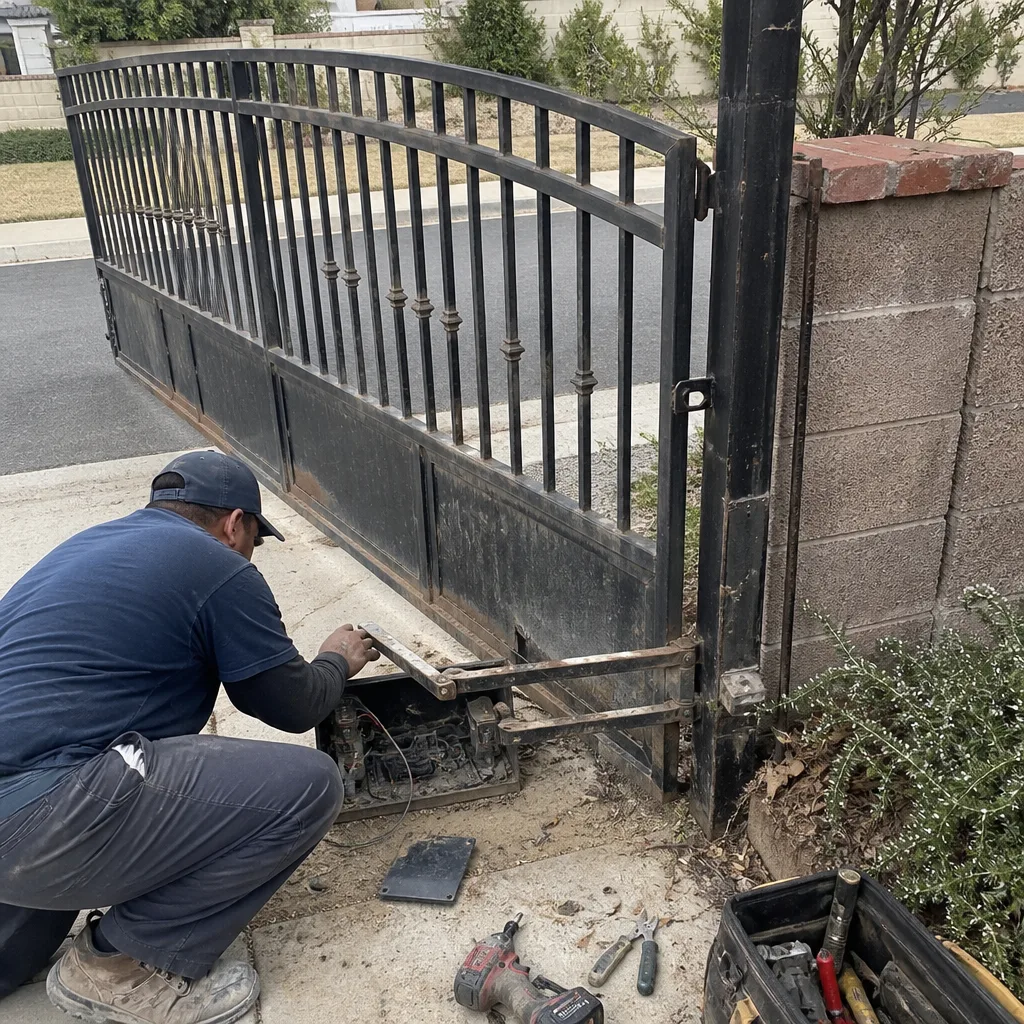 Before
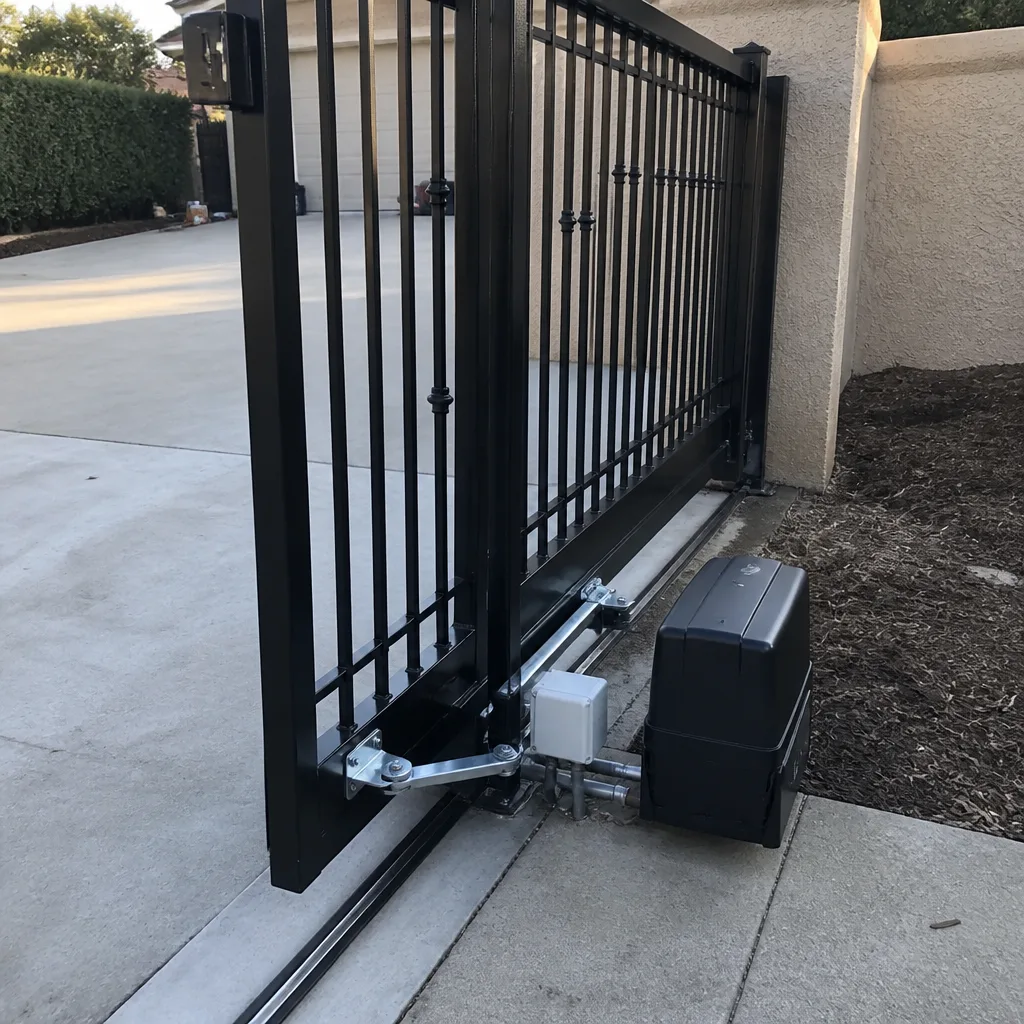 After
After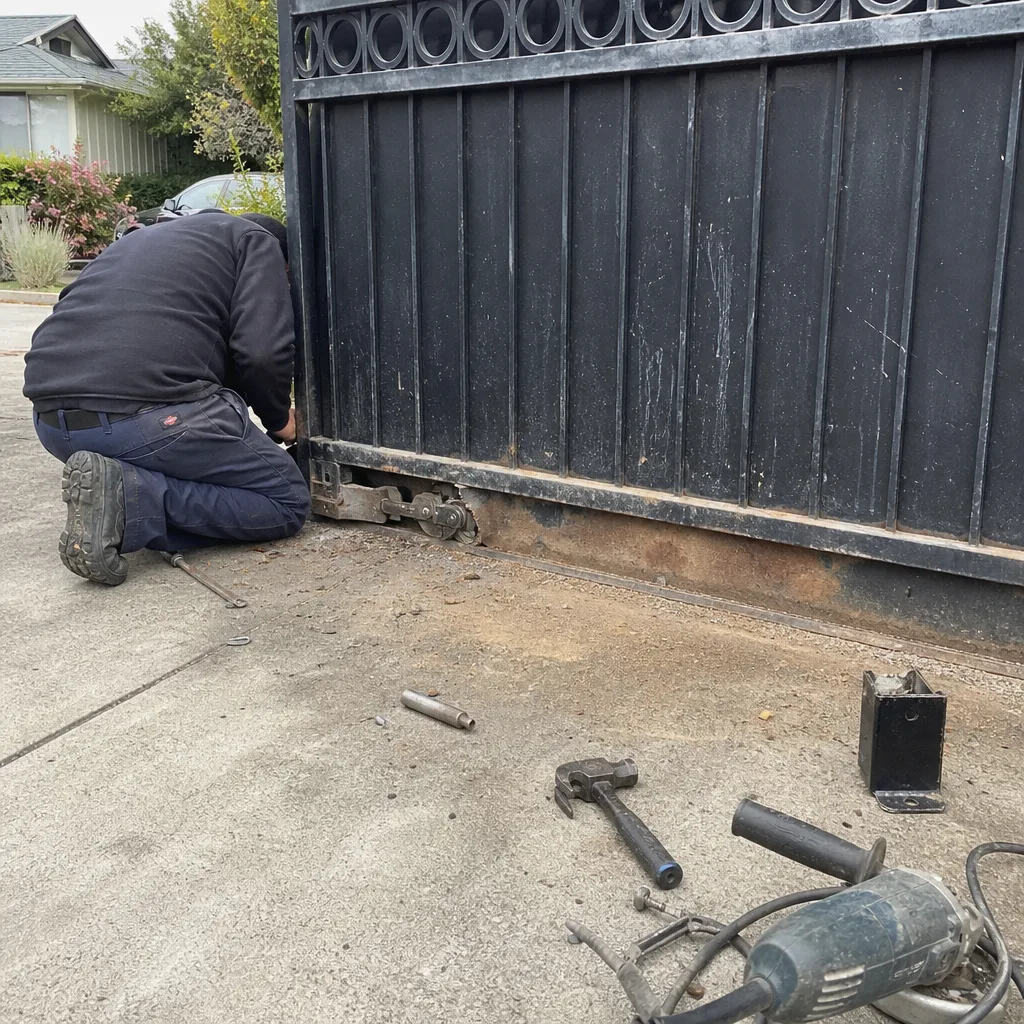 Before
 After
After