
Last updated October 17, 2026
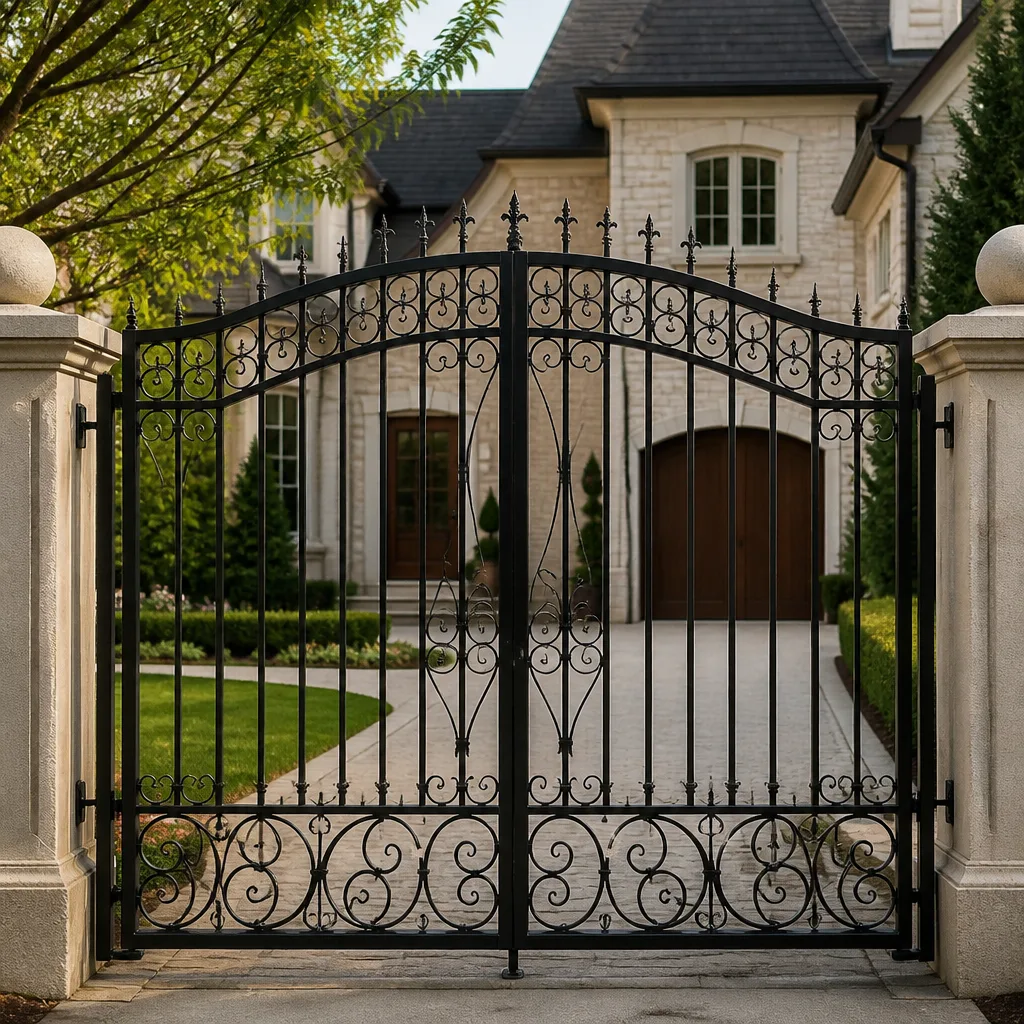 Wrought iron
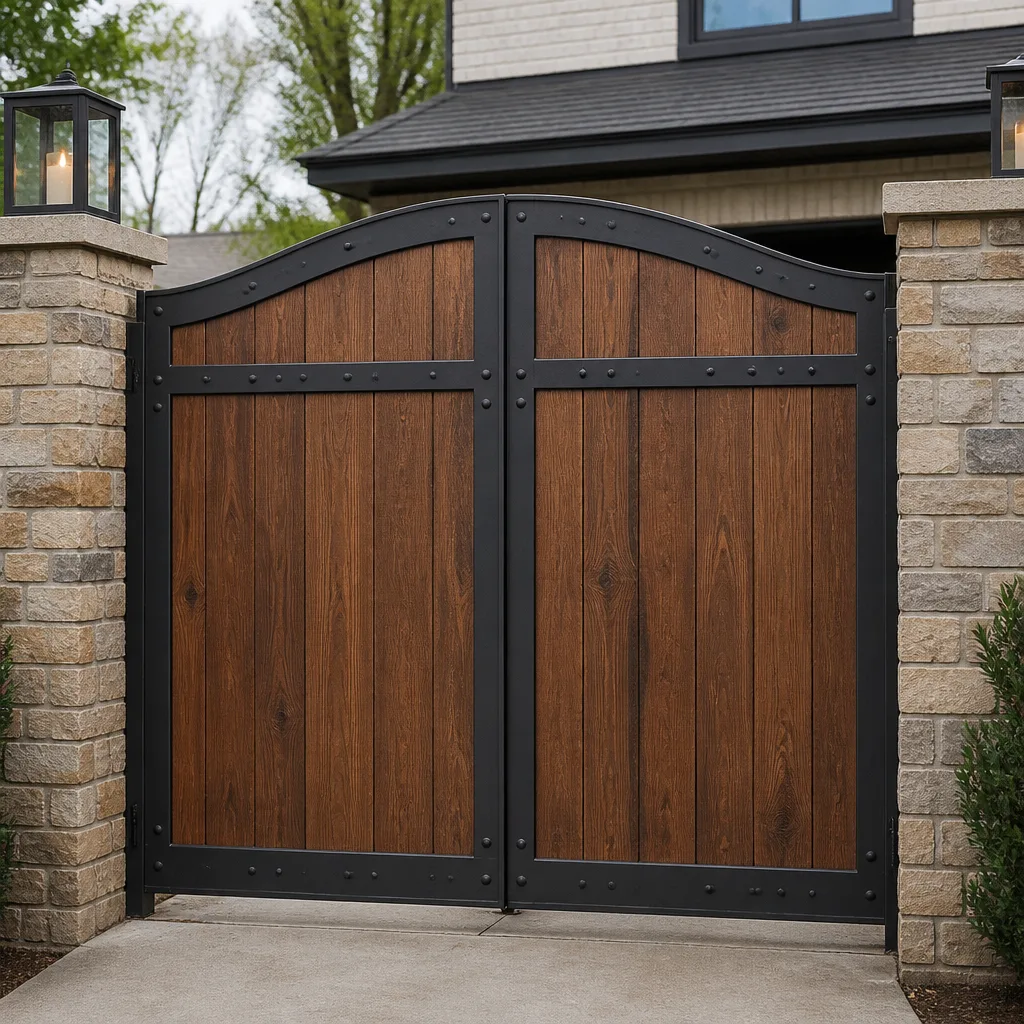 Wood & steel frame
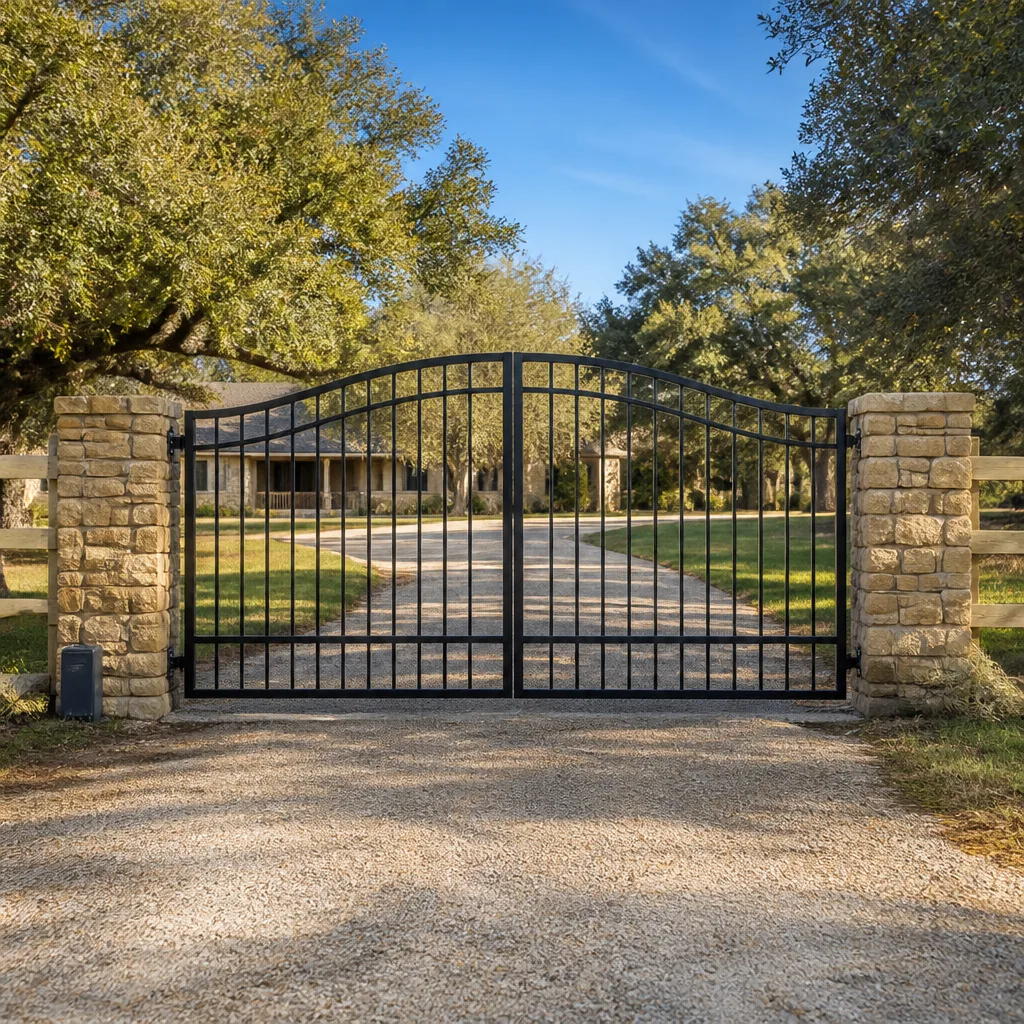 Farm & ranch
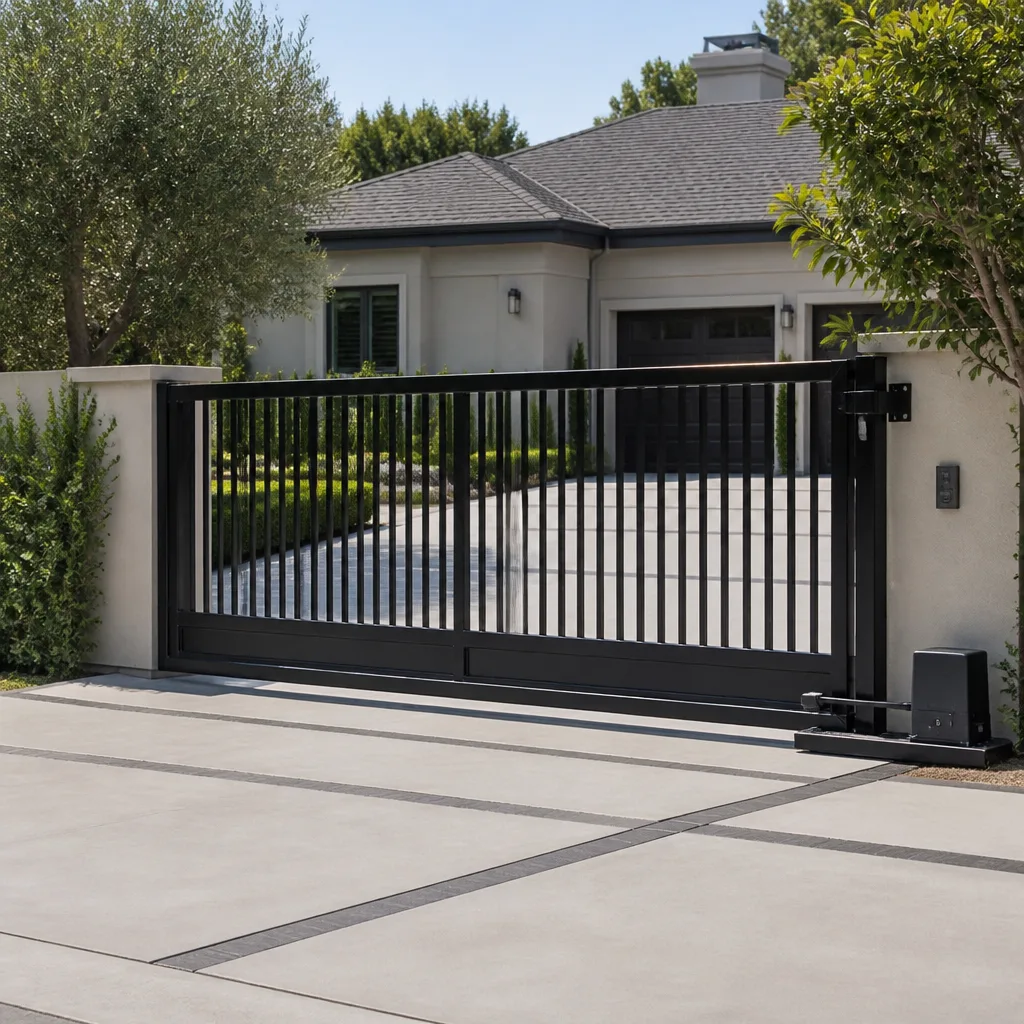 Sliding driveway gates
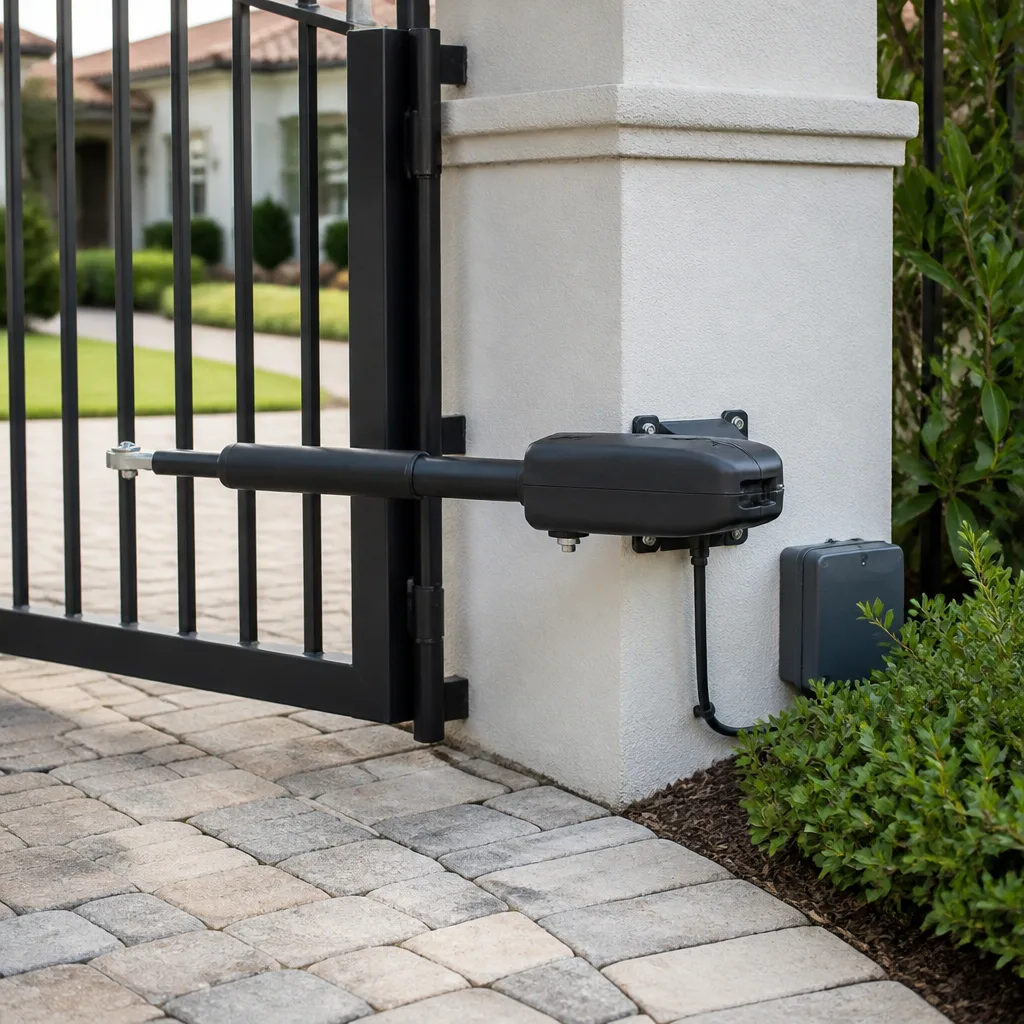 LiftMaster operators
Free on-site gate assessment - hinges, posts, and your LiftMaster or Nice gate operator checked before anything is quoted
The assessment is free and the quote is the invoice.
Get your free estimateThe Complete Guide to Gate Repair in Fresno
Here’s a statistic that surprises most Fresno homeowners: a gate that slams shut on its own in July and a gate that drags on the concrete in January are often the same problem wearing two different outfits. The triple-digit heat that bakes our neighborhoods from Woodward Park to Sunnyside doesn’t just dry out the soil. It also warps the post, which tilts the hinge line, which shears the latch. Fix the latch and the cycle starts over in about nine months. This guide maps every common failure back to its upstream cause so you can pay for one Gate Repair, not four.
Quick Answer
Gate repair in Fresno usually comes down to correcting one of three root causes: post lean from alkali soil movement, hinge wear from triple-digit thermal cycling, or latch misalignment from the first two compounding. Most repairs run between $180 and $620 depending on which link in the chain has failed. A written, itemized quote is the single best predictor of whether the repair will hold past one year, because it forces the diagnosing technician to name the actual cause instead of the symptom.
Styles & brands we work with
Table of Contents
- The Three-Failure Chain: Why Gates in Fresno Break the Same Way Twice
- Fresno-Specific Stressors: Heat, Alkali Soil, and Tule Fog
- How Common Gate Brands and Materials Fail in Fresno
- Repair vs. Replacement: When the Gate Still Has Life in It
- The Written Estimate: What It Should Look Like and Why It Matters
- What a Documented Care Routine Tells You About a Gate Company
- Electric Gate Repair: Where the Fresno Heat Hits Hardest
- What You Can Safely Check Yourself (And What You Shouldn’t)
The Three-Failure Chain: Why Gates in Fresno Break the Same Way Twice
Every gate in Fresno has the same three load points: the post that holds it, the hinges that swing it, and the latch that keeps it closed. When one starts to fail, it loads extra stress onto the other two. The repair industry has a name for treating only the last link in that chain: repair cycling. We see it all over Fresno, from established neighborhoods near Fresno High to newer subdivisions up in Clovis. A homeowner pays $95 for a latch replacement, the gate works for a season, then the same latch fails again because the post behind it never stopped leaning.
Here’s the sequence as it typically unfolds in our area:
- Post lean begins. Alkali soil in Fresno expands and contracts with moisture changes. A gate post set in shallow concrete or without proper aggregate drainage starts to drift off plumb within a few years. The drift is slow – often less than a quarter inch per season – but it’s relentless.
- Hinge stress follows. A leaning post means the gate’s weight no longer hangs straight through the hinge knuckles. One hinge carries more load than the other. The bearing surfaces wear unevenly, and the gate begins to sag toward the latch side.
- Latch misalignment appears last. The sagging gate means the latch bar no longer lines up with the receiver on the post. The homeowner notices the gate won’t close, or it slams past the latch, or it binds against the concrete. The visible symptom is the latch. The root cause is the post.
A complete diagnosis always starts at the post and works forward. Test the post for movement. Check the hinge bearings for oval wear. Only then evaluate the latch. In our experience in Fresno, skipping step one is how a $120 repair becomes a $540 repair six months later.
Fresno-Specific Stressors: Heat, Alkali Soil, and Tule Fog
Fresno gates don’t fail in a vacuum. They fail in an environment that hits 105°F for weeks at a time, sits on some of the most alkali-rich soil in California, and drinks in dense tule fog moisture every winter. Each of those conditions attacks a different component.
Triple-Digit Summer Heat
Wood gates in Fresno lose moisture fast in summer. Cedar tongue-and-groove boards shrink, leaving gaps that weren’t there in April. Steel gates absorb heat unevenly – the sun-facing side expands more than the shaded side – which causes a slight daily bow that fatigues weld points over time. Powder-coated aluminum fares better, but its fastening hardware still expands and contracts at a different rate than the aluminum itself.
Alkali Soil Movement
Fresno sits on the eastern edge of the San Joaquin Valley, where the soil carries a high concentration of sodium and calcium carbonates. This is not a subtle soil. It expands when wet and shrinks when dry, and the swing between those two states in a single Fresno year can move a poorly set gate post two to three inches. That’s enough to break hinges, bind gates against concrete, and separate gate frames from their posts.
Tule Fog Moisture Cycles
The winter fog that rolls through Fresno from November to February does more than reduce visibility on Highway 99. It saturates the wood in gates that spent the summer drying out, causing fibers to swell and cup. For iron and steel gates, the fog delivers weeks of high humidity that accelerates rust at every scratch, hinge point, and weld. A gate that looks stable in June can be visibly sagging by February.
How Common Gate Brands and Materials Fail in Fresno
Fresno neighborhoods show a pretty consistent set of gate styles. You’ll find Ameristar steel tube gates in newer subdivisions, Jerith aluminum drive gates in mid-century neighborhoods, and cedar tongue-and-groove pedestrian gates just about everywhere. Each has its own failure pattern.
- Ameristar steel tube gates tend to fail at the weld points first, especially where the pickets meet the frame rails. Fresno’s daily thermal expansion and contraction cycles put repeated stress on those welds. Once one picket breaks loose, the rest follow quickly.
- Jerith aluminum drive gates are light and corrosion-resistant, which makes them a smart Fresno choice. But their hang hardware is often sized right at the margin. When a gate operator is added later, the additional push-pull stress accelerates hinge bushing wear.
- Cedar tongue-and-groove gates fail at the joints. Summer heat shrinks the boards, winter fog swells them, and the repeated motion loosens the tongue-and-groove connections. A gate that starts out tight will develop a visible rattle or a sagging bottom rail within a few Fresno summers.
For electric gates, the operators we service most in Fresno are DoorKing and LiftMaster swing operators, plus Elite and Mighty Mule units on residential driveways. The failure mode we see most often with DoorKing and Elite operators in our area is limit switch drift after heavy heat cycles – the gate travels slightly past its set point and starts to bind or stall. With Mighty Mule and some LiftMaster residential units, the battery backup tends to fail in triple-digit heat long before the motor gives out.
Repair vs. Replacement: When the Gate Still Has Life in It
We get asked all the time whether a sagging gate can be saved or should be replaced. The answer usually depends on three measurements. We take these numbers on every free estimate we provide in Fresno.
- Post movement: Rock the post by hand. If it moves more than a half inch at the top, the post needs to be reset or replaced. Once the concrete collar around the post lets go, no amount of hinge shimming will fix the underlying problem.
- Frame squareness: Measure diagonal corner to corner. A difference of more than half an inch means the gate frame itself has racked. Some gates can be pulled back square with a turnbuckle or a field repair. Others cannot.
- Hinge wear: Lift the gate by the handle. If it rises more than a quarter inch at the hinge side, the hinge bearings or bushings are worn. Replacing hinges on a solid gate is routine. Replacing hinges on a rusted-through gate frame is a waste of money.
In most Fresno cases we see, the gate itself is still solid and the problem is the post or the hardware. Replacing a good gate just because the post settled is an expensive way to miss the point. We’ll tell you when a gate should be replaced – and we’ll also tell you when a well-made Ameristar or Jerith gate is still worth repairing. For more on when a new gate makes sense, see our guide on Gate Installation in Fresno.
The Written Estimate: What It Should Look Like and Why It Matters
A verbal quote for gate repair in Fresno usually sounds like this: “We’ll get that fixed for around $300, maybe a little more if we need parts.” A written estimate from a careful gate company looks different. It names the root cause, lists the parts, separates labor from materials, and states the warranty. The difference matters for one specific reason: a 365-day warranty claim is only as good as the written scope it refers back to.
Here’s what a written, itemized estimate should include:
- The diagnosis in writing. “Post leans 1.25 inches out of plumb; hinge bearing shows oval wear on lower hinge; latch bar misaligned by 5/8 inch.” If the diagnosis isn’t written, the repair wasn’t actually diagnosed.
- Line-item parts. Not “hardware.” Specific items: two 4-inch steel ball-bearing hinges, one latch receiver, one post footer with concrete and aggregate.
- Line-item labor. Post reset labor separate from hinge replacement labor. This tells you exactly what you’re paying for and lets you compare estimates line by line.
- Warranty terms in writing. Which parts are covered, for how long, and what triggers the coverage. If a company won’t write the warranty on the estimate, they won’t honor it when you call back.
- Total price. Quoted and agreed before any work starts. No verbal asterisks. No “we’ll see when we get in there.” A gate repair is not a discovery excavation. A careful technician with a level and a tape measure can diagnose the full scope on the first visit.
Every estimate we provide in Fresno is written and itemized before any work begins. You’ll see the exact price, the exact parts, and the exact warranty terms on paper. That’s the only way we know to make a 365-day promise mean something.
What a Documented Care Routine Tells You About a Gate Company
There’s a reason we put shoe covers on before walking through a Fresno home and lay drop cloths down before we set a tool bag on the floor. The same discipline that keeps your floors clean is the discipline that keeps a gate repair straight. A technician who won’t bother to protect your floors is a technician who won’t bother to level the post before setting the concrete.
Our technicians work under the Cedarwell C.A.R.E. values, and the routine is specific:
- Clean up like it’s our own home. Drop cloths go down before any work starts. Shoe covers go on before we step inside. We use quiet tools when kids are asleep, and we choose pet-safe lubricants where there’s a choice.
- Ask before we move or touch anything. If your gate fastener is behind a potted plant or a hose reel, we ask before we move it. Not after.
- Respect the family’s time and quiet hours. If nap time is at 1:00, we schedule around it. If the dog has to stay inside, we work with that. The gate will still be there after the quiet window.
- Explain the price before the work. The written quote isn’t a formality. It’s the tool we use to make sure you understand exactly what’s being fixed, why it failed, and what it costs before we start.
Before the technician leaves, they take a photo of the clean-up. You don’t have to ask for it. It’s part of the visit record, and it’s your proof that we left the job site the way we found it. We think a gate company that documents its clean-up is a gate company that documents its repairs too.
Electric Gate Repair: Where the Fresno Heat Hits Hardest
Electric gate operators in Fresno live a harder life than the gates they move. A gate operator sits in a metal box under the Central Valley sun, where the internal temperature can climb 30°F above the outside air. On a 108°F summer day in Fresno, that’s 138°F inside the control cabinet. Electronics don’t love that.
Here’s what we see on electric gate repair calls across Fresno:
- Battery backup failure. Heat kills sealed lead-acid batteries. In Fresno, a backup battery that would last four years in a mild climate often fails in two. The gate works fine until a power interruption, then it won’t move at all.
- Limit switch drift. Thermal expansion moves the limit switch contacts slightly, which changes where the gate stops. The gate over-travels, slams into the open stop, and triggers the safety reverse. Homeowners describe this as “the gate keeps bouncing.”
- Photoelectric sensor misalignment. Safety sensors mounted on the gate or the post shift with the post. Once the beam no longer lines up, the gate refuses to close because it thinks something is in the way.
- Capacitor failure. Motor start capacitors dry out faster in sustained heat. The symptom is a gate that hums but doesn’t move, or moves slowly and stalls.
We service DoorKing, LiftMaster, Elite, and Mighty Mule operators in Fresno. For full details on what electric gate repair involves, see our page on Electric Gate Repair in Fresno.
A note on safety: electric gate operators involve high-torque motors, heavy moving panels, and in some cases high-capacity batteries. If your gate is misbehaving, don’t reach into the control cabinet to poke at terminals. Disconnect the operator from power at the breaker and call a professional who works on these systems regularly. A gate that stalls under load can move without warning when a capacitor discharges or a limit switch closes.
What You Can Safely Check Yourself (And What You Shouldn’t)
Before you call anyone, there are a few things you can check that don’t require tools and don’t put you at risk. These are diagnostic observations, not repairs, and they’ll help you describe the problem accurately when you call. For deeper troubleshooting, see our more guides & resources.
- Look at the gap between the gate and the post. If the gap is wider at the bottom than at the top on the latch side, the gate is sagging. That’s hinge or post wear, not a latch problem.
- Watch the gate swing. Open it halfway and let go. If it swings open or closed on its own, the post isn’t plumb. A properly hung gate stays where you put it.
- Listen to the hinges. A creak, squeal, or grinding sound under movement means the hinge bearings are dry or worn. Lubricating a worn hinge buys you a few weeks at most. The wear is already there.
- Test the latch with the gate closed. If you can lift the gate by the handle and the latch releases, the hinge pins are sloppy. That movement is also what’s slowly destroying the latch bolt.
What you shouldn’t do: don’t try to re-tension a torsion spring on a gate, don’t cut or weld on a gate frame that’s under load, and don’t reach into a gate operator cabinet. These are jobs for a technician with training and the right tools. A heavy gate under spring tension can move with enough force to break a hand.
Common Mistakes to Avoid
- Treating the symptom instead of the root cause. Replacing a latch without fixing the lean behind it is the single most common repair cycling trigger we see in Fresno. If the post moves, the new latch will fail too.
- Accepting a verbal quote. If the scope of the repair isn’t written, it wasn’t defined. A written estimate is the document that supports a warranty claim later.
- Ignoring small post movement. A quarter inch of drift can become two inches of lean in one wet winter. Catch it before the gate starts binding against the concrete.
- Using spray lubricant on worn hinges. Lubricant masks the symptom. The underlying wear continues, and the gate gets looser while the homeowner thinks they’ve solved the problem.
- Buying the cheapest replacement hardware. Gate hinges from a home center may be half the price, but they’re often not rated for the weight of a full-size drive gate. Undersized hardware fails faster, which means you pay for the repair twice.
- Skipping the safety check on electric gates. Photo eye alignment and reverse sensitivity are the two things that prevent injury. A gate that closes on a kid or a dog is not something to gamble on.
- Welding a gate frame without unweighting it. A gate frame under load is under stress. Welding it in place locks in the distortion instead of correcting it.
See the difference
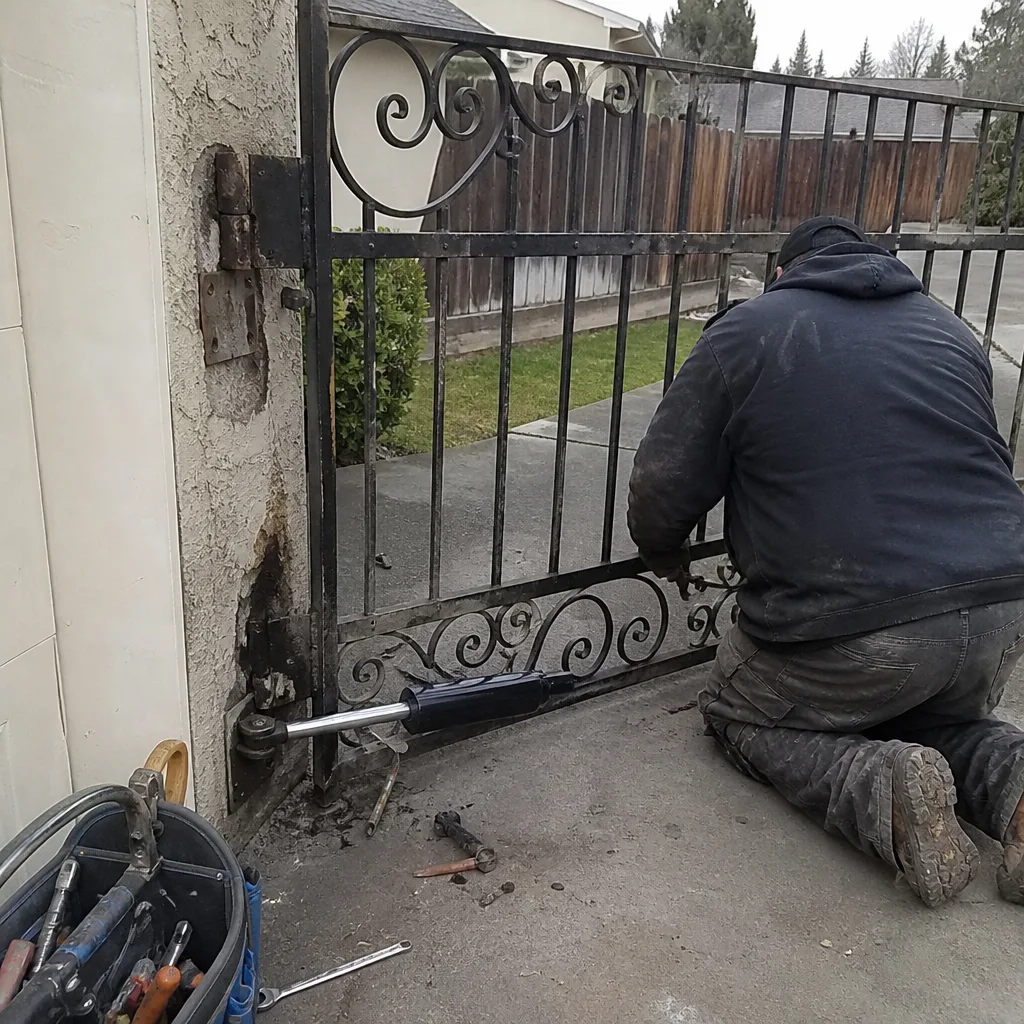 Before
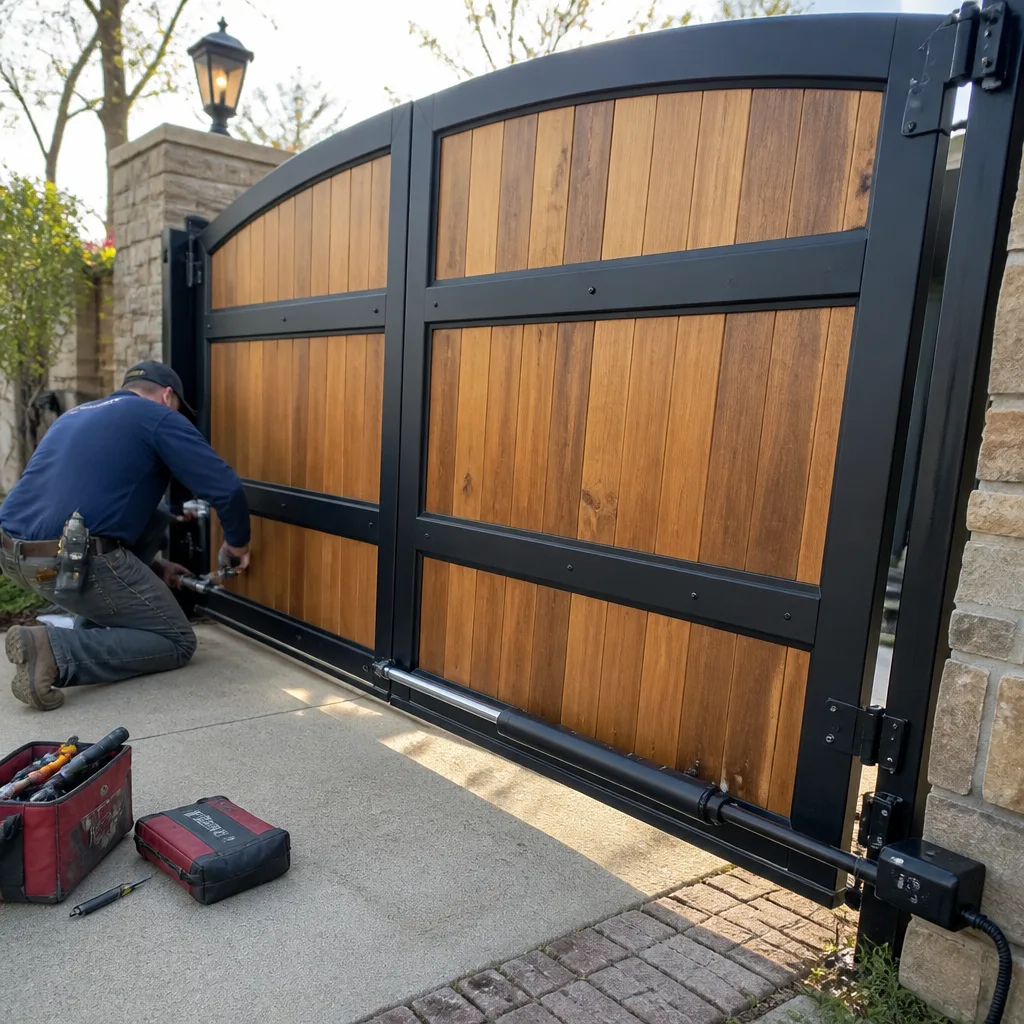 After
After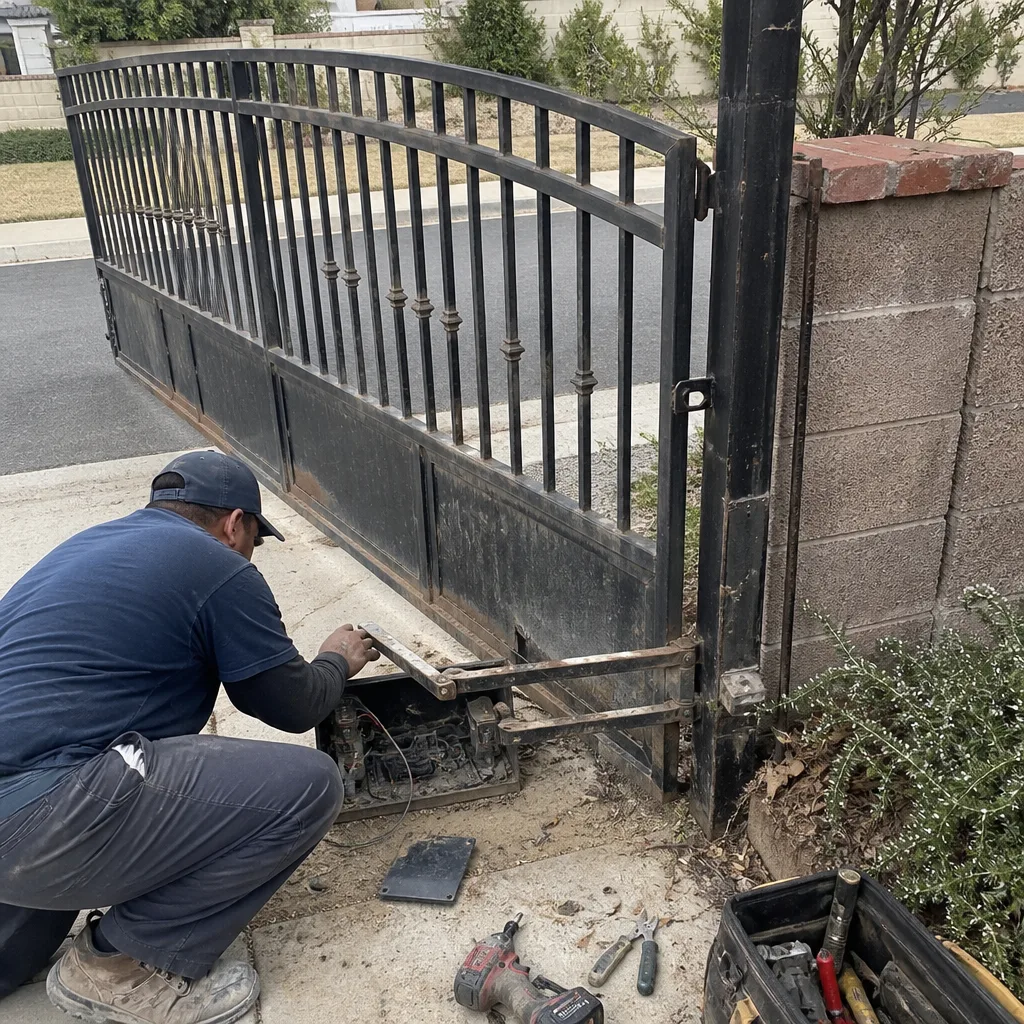 Before
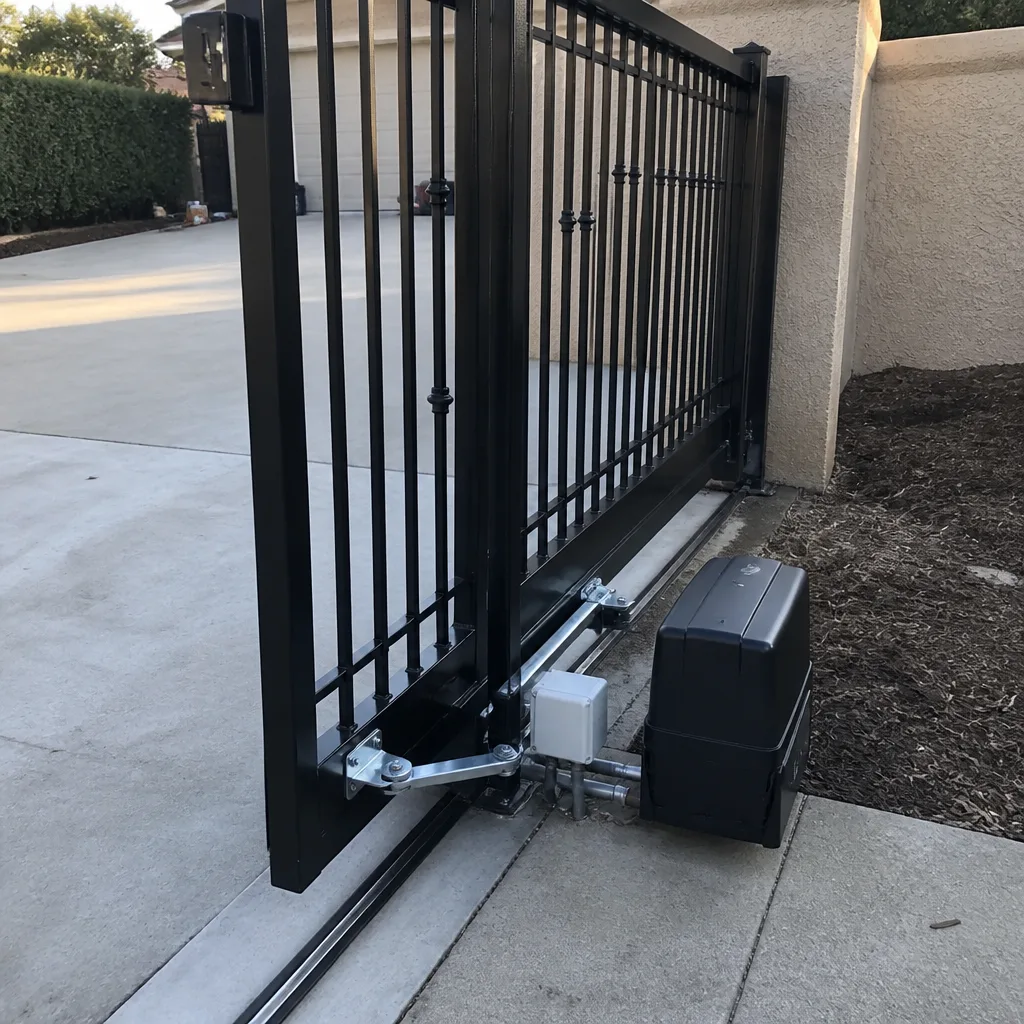 After
After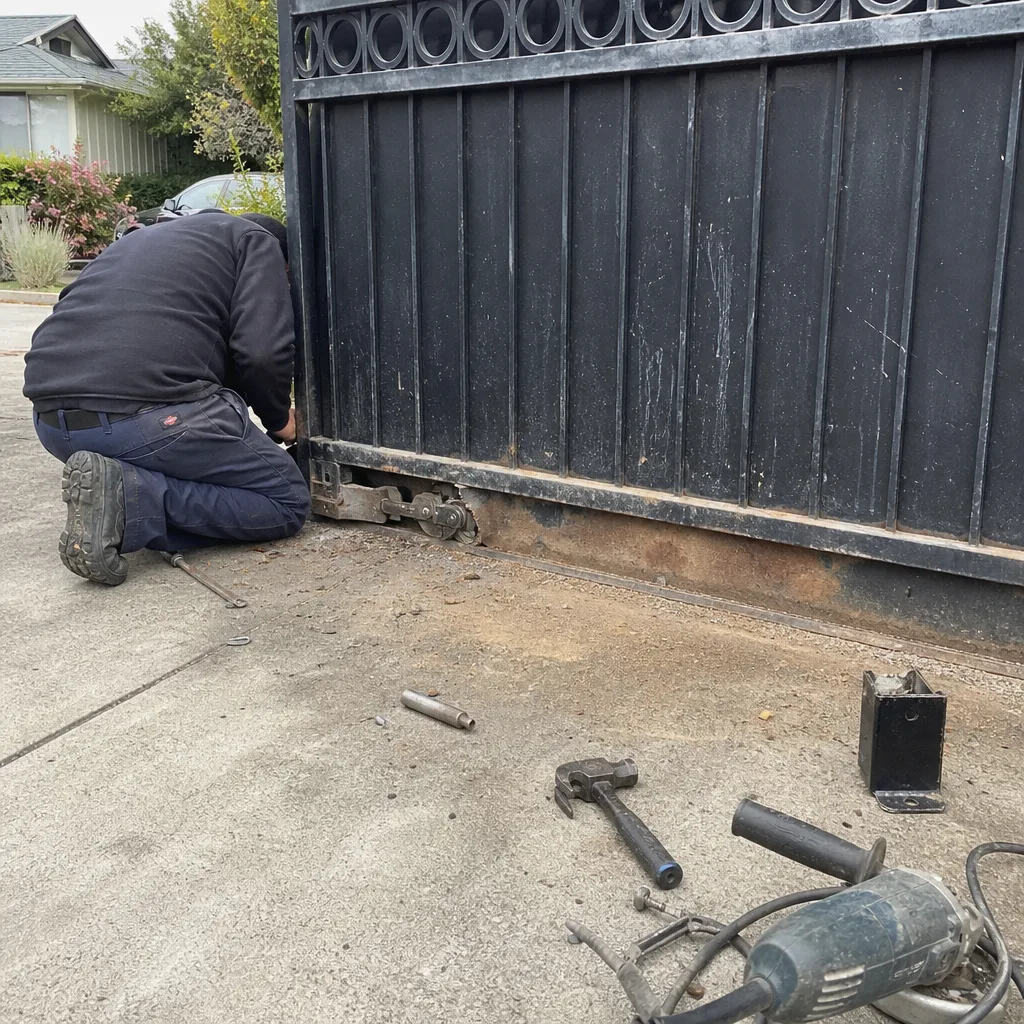 Before
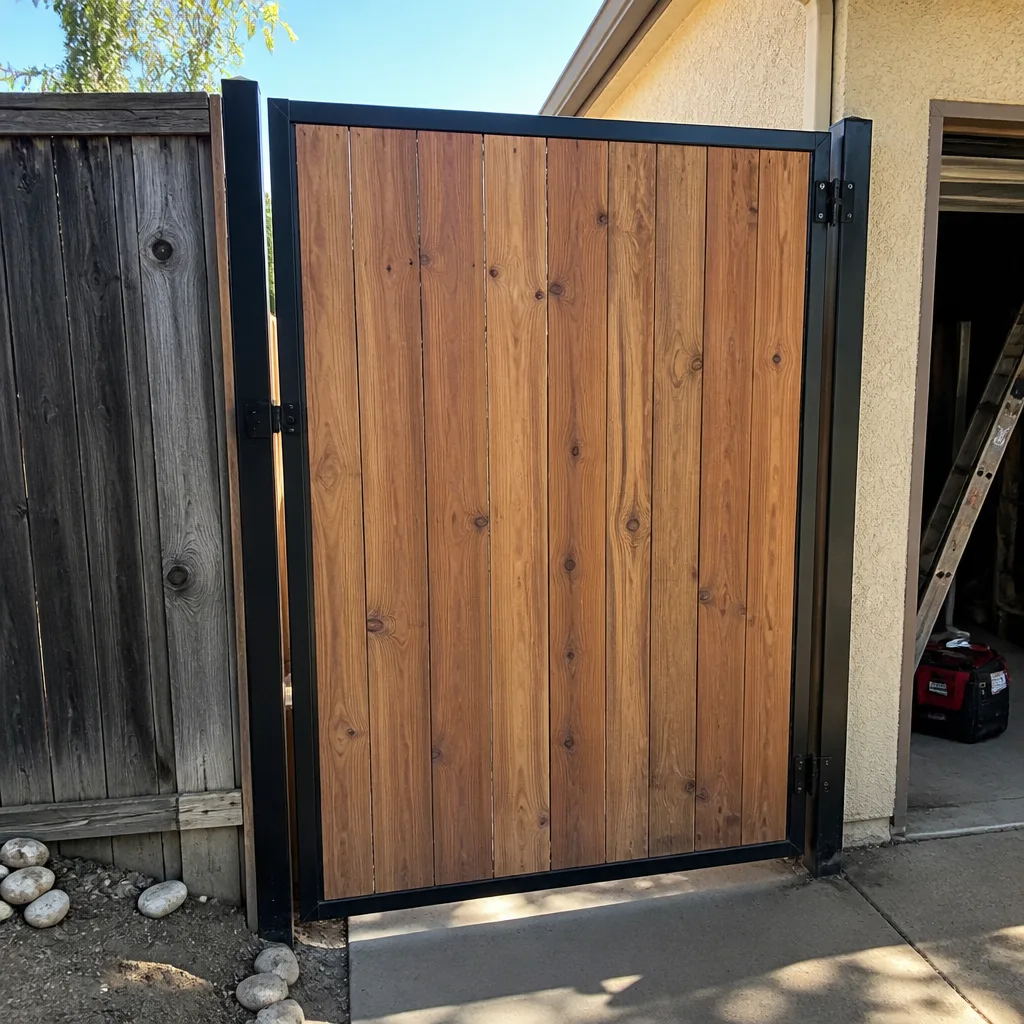 After
AfterWhen to Call a Professional
Call a gate specialist when the gate won’t close securely, when the post moves by hand, when the gate binds or drags, or when the operator starts making noise it didn’t make before. These are all signs that the failure chain is in motion, and every month of delay adds stress to the next component down the line. If the gate is electric and the operator is stalling, bouncing, or refusing to close, call before the motor burns itself out against a bad limit switch. Latch and Post Gate Repair Fresno offers free estimates in Fresno – call (559) 785-2501 and a live person answers.
Frequently Asked Questions
Gate repair in Fresno typically runs between $180 for a simple latch or hinge replacement and $620 for a post reset with new hardware. The exact price depends on the root cause, the gate’s weight, and whether any parts need to be special-ordered. A written, itemized estimate before work starts is the norm for any reputable Fresno gate company. Call (559) 785-2501 for an exact quote – estimates are free.
Most gate repair calls in Fresno can be diagnosed and repaired in one visit when the parts are in stock. We carry common hinge sets, latch receivers, and operator components on our trucks, and our Fresno technicians are trained to handle the brands families actually own. If your gate is stuck open or won’t close at all, call (559) 785-2501 and we’ll get you scheduled as fast as possible.
Gate sag in Fresno is usually caused by post movement from alkali soil expansion and contraction, combined with hinge bearing wear from years of thermal cycling. The heat dries the soil, the soil shrinks, and the post settles. Once the post is out of plumb, the gate’s weight shifts onto one hinge and the gate starts to drop. The fix starts with the post, not with the latch.
We service and repair DoorKing, LiftMaster, Elite, and Mighty Mule electric gate operators in Fresno. Common repairs include limit switch adjustment, battery backup replacement, photo eye realignment, and capacitor replacement. For details on what’s involved, see our dedicated page on Electric Gate Repair in Fresno.
Repair is usually the right call when the post is solid and the gate frame is square. Replacement makes sense when the frame has racked, the pickets have separated from the rails, or the cost of pulling the gate back to square exceeds 60% of a new gate’s price. We’ll tell you straight which way makes more financial sense for your situation. See our guide to Gate Repair in Fresno for more detail.
Look for a written itemized estimate before work starts, a stated warranty on the repair, and a documented clean-up routine. Those three habits travel together. A company that writes the price down, stands behind the work, and respects your floors is a company that measures the post before it sets the concrete. Latch and Post Gate Repair Fresno has been serving Fresno since 2009 with exactly that standard. See our Latch and Post Gate Repair Fresno home for more on how we work.
The Bottom Line
Fresno gates fail in a chain, and the only way to break the chain is to fix the upstream cause. That means measuring the post before replacing the latch, writing the diagnosis before quoting the price, and standing behind the repair with a real warranty. The 365-Day Done Right Promise covers every repair and installation we do, and a written price comes before any work starts on every visit. If your gate is sagging, binding, or refusing to close, call (559) 785-2501 for a free estimate. A live person answers, nights, weekends, and holidays included.
Written by Cody Beckman, Owner at Latch and Post Gate Repair Fresno, serving Fresno since 2009.