
Last updated October 17, 2026
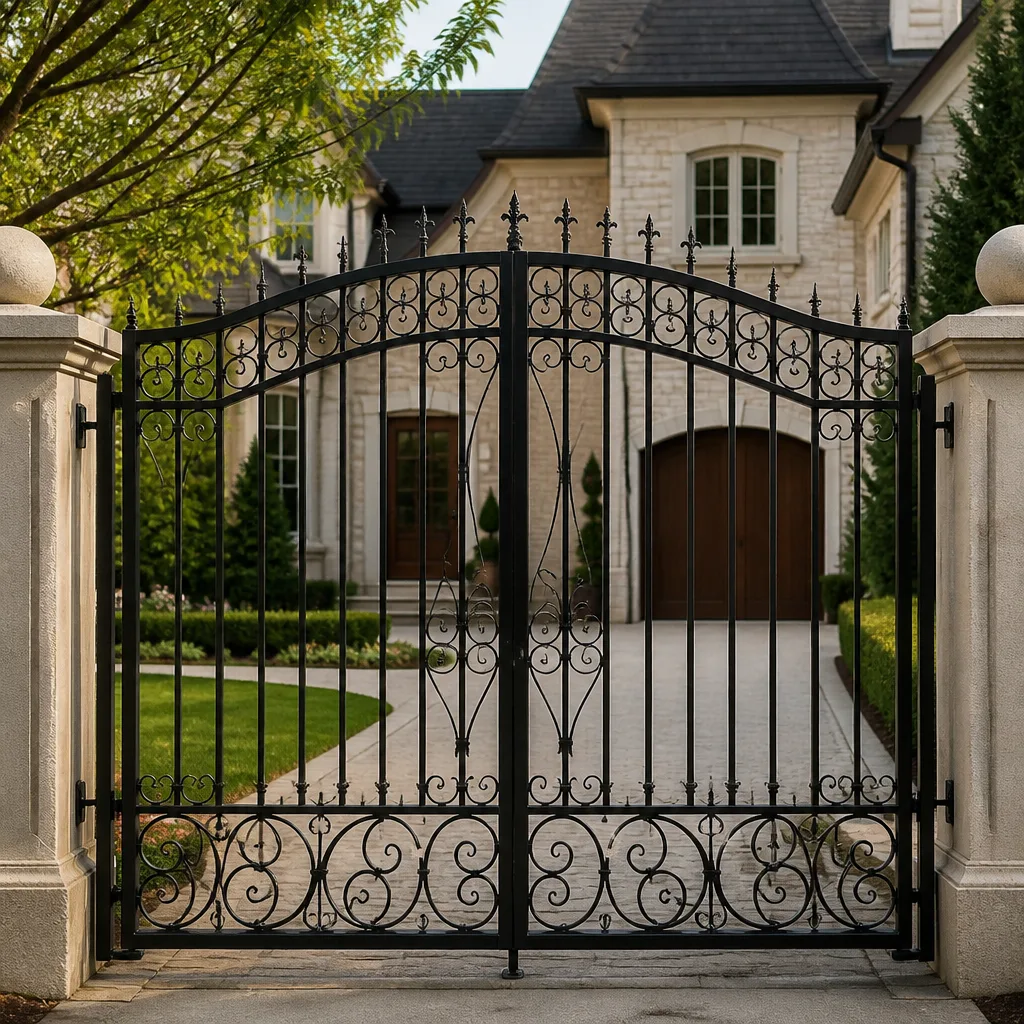 Wrought iron
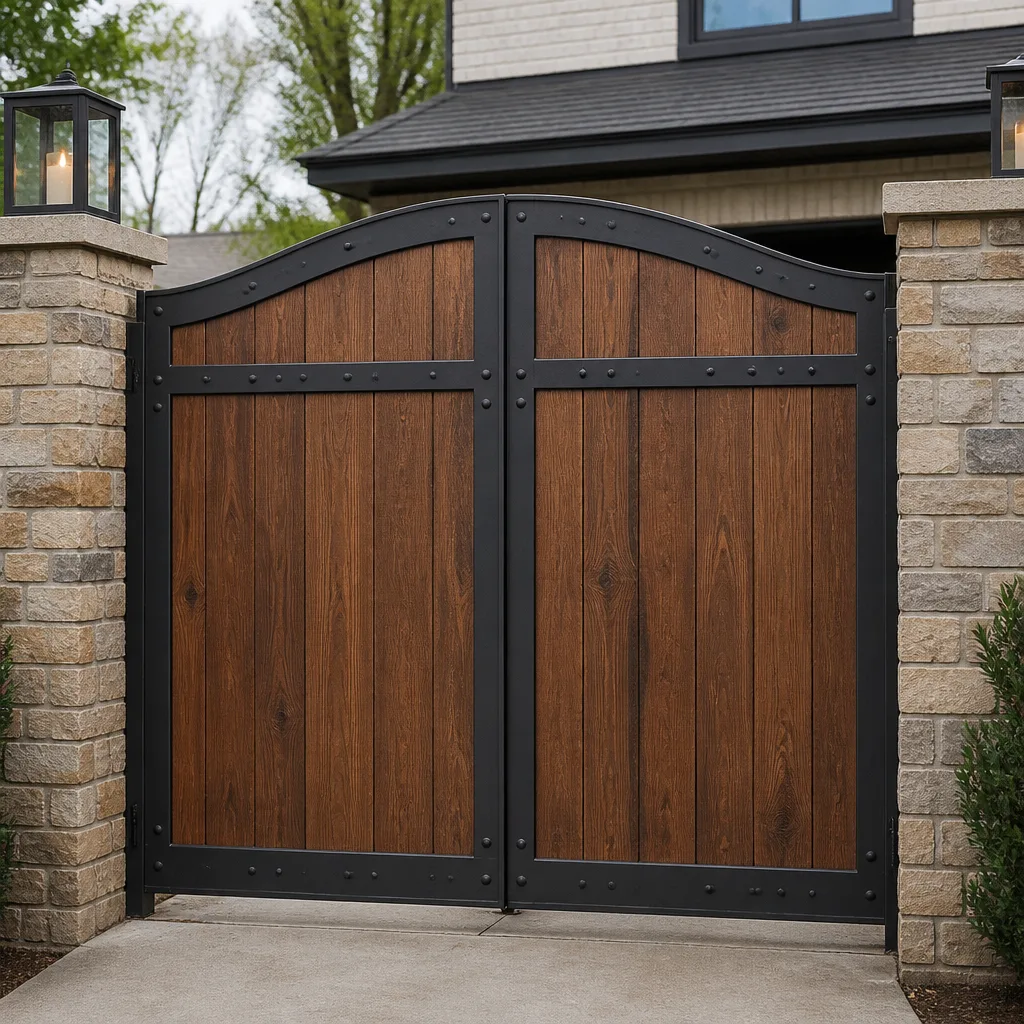 Wood & steel frame
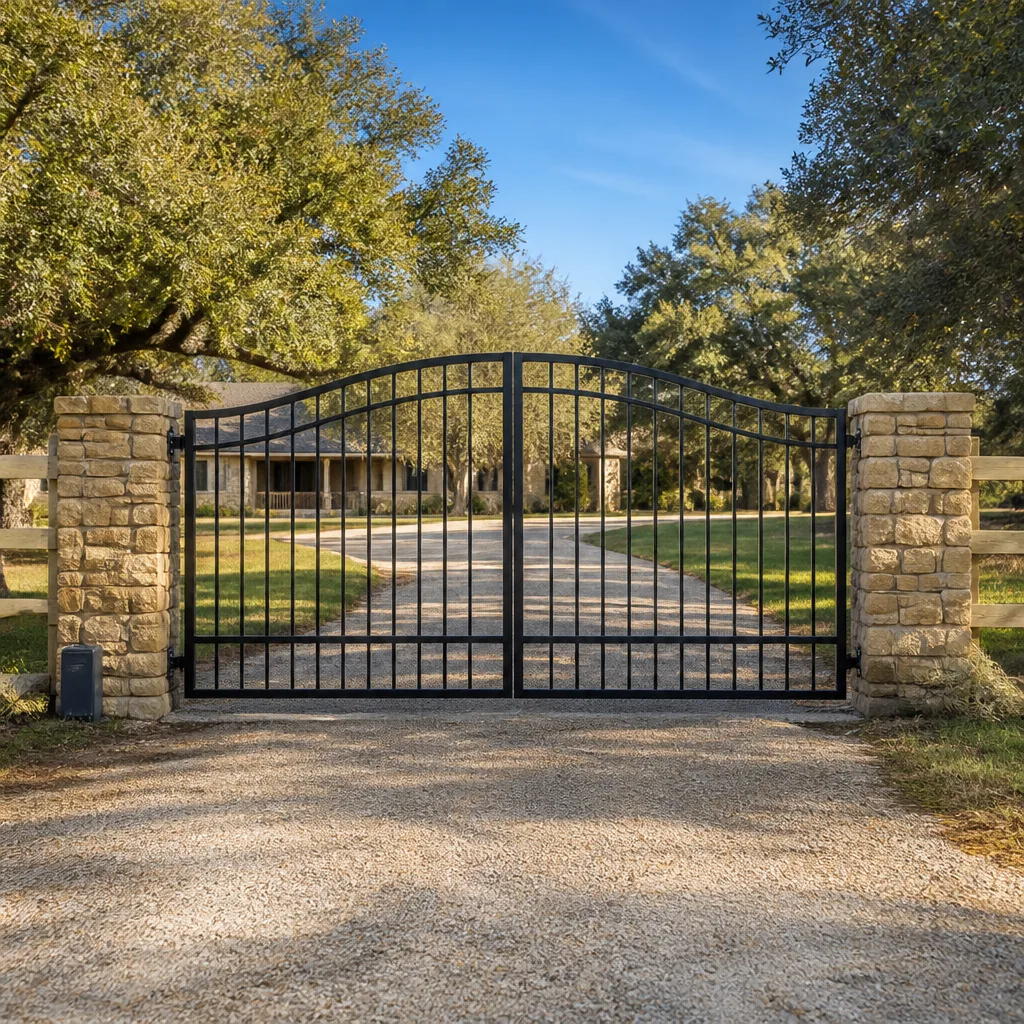 Farm & ranch
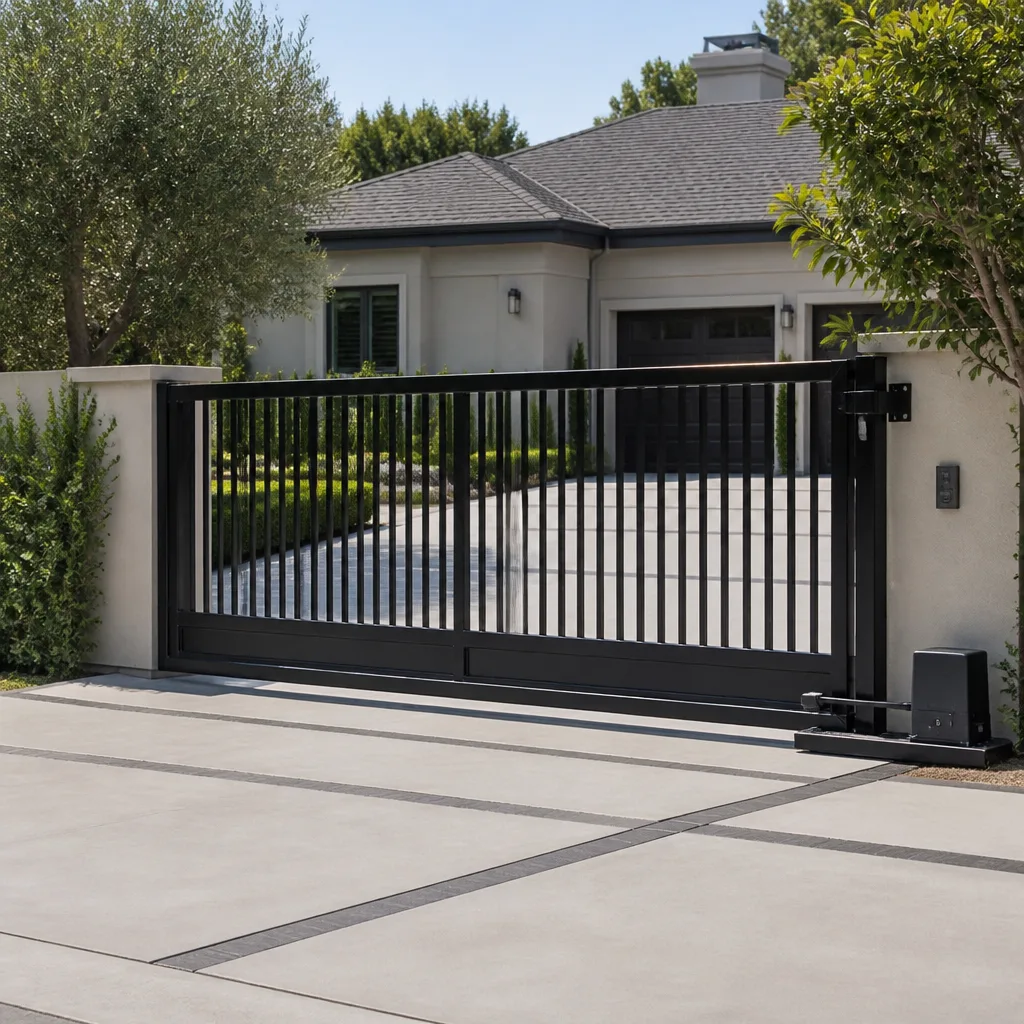 Sliding driveway gates
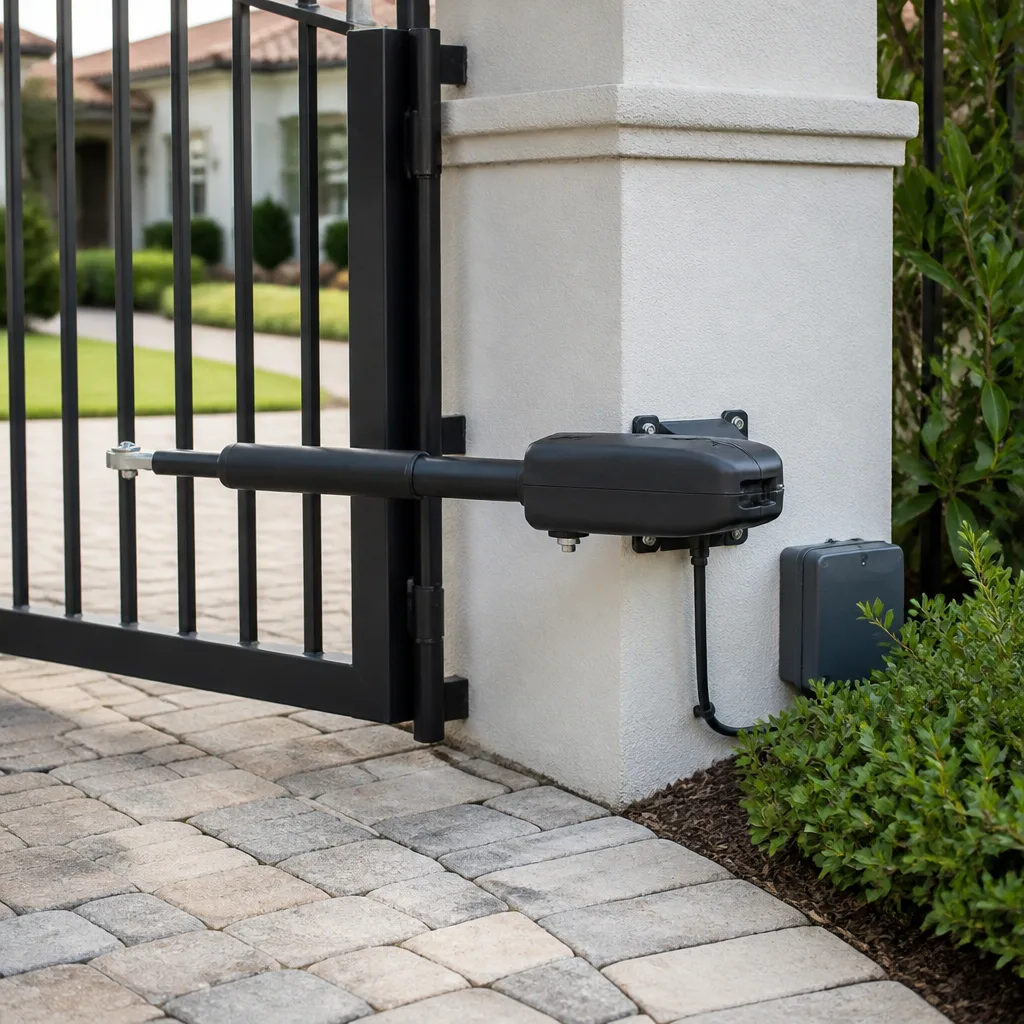 LiftMaster operators
Free on-site gate assessment - hinges, posts, and your LiftMaster or Nice gate operator checked before anything is quoted
The assessment is free and the quote is the invoice.
Get your free estimateDIY vs Professional Gate Repair: The Fresno Homeowner’s Decision Guide
Replacing a gate latch yourself is a reasonable Saturday afternoon project. But if the reason the latch failed is that the post has shifted a quarter inch in Fresno’s clay soil, you’ll be back at the hardware store within a year, and the second latch won’t fix it either. This guide lays out which gate repairs a Fresno homeowner can genuinely handle with a basic tool kit, and which ones carry a hidden failure mode that turns a $40 parts run into a $600 professional correction; for Gate Repair Cost Breakdown: The Fresno Homeowner’s Reference for 2026, see our dedicated breakdown. You’ll get real cost numbers, real time estimates, and the diagnostic questions that tell the two apart before you spend a dime.
Styles & brands we work with
Quick Answer
Most simple mechanical Gate Repair Maintenance Checklist for Fresno Homeowners tasks, like replacing a latch on a stable post or tightening loose hinge bolts, are reasonable DIY projects that cost $15 to $45 in parts and take under two hours. But any repair that involves a shifted post, a concrete footer, an electric operator, or a welded joint should go to a professional, because the failure mode is structural or electronic, and a wrong fix can damage the gate, injure a family member, or void the operator’s UL 325 safety certification.
Table of Contents
- DIY-Appropriate Gate Repairs in Fresno
- Repairs That Require a Professional
- The LiftMaster and DoorKing Programming Trap
- Cost Comparison: A Sagging Wood Gate in Fresno
- What to Document Before Any DIY Attempt
- How Fresno’s Climate Changes the DIY Math
- Safety Boundaries Every Homeowner Should Respect
- Common Mistakes to Avoid
- When to Call a Professional
- Frequently Asked Questions
- The Bottom Line
DIY-Appropriate Gate Repairs in Fresno
Some gate repairs are genuinely safe to do yourself, and doing them well keeps a few hundred dollars in your pocket. The key word is stable. If the gate post doesn’t move when you push on it with your body weight, and the gate swings without scraping the ground or the latch post, the repair is usually mechanical and contained. Here’s what falls into that category, with honest time and material costs for the Fresno market.
Latch replacement on a stable post. A standard gravity latch or spring-loaded latch runs $12 to $28 at Fresno Ag Hardware or any big-box store. The job takes 30 to 45 minutes with a drill, a screwdriver, and a level. The failure mode to watch for: if the new latch doesn’t line up with the strike plate, the post has moved, and no amount of latch adjustment will fix it. That’s the moment to stop and call a professional.
Here’s the full DIY-appropriate list, with realistic costs and time:
- Latch or strike plate replacement: $12 to $28 in parts, 30 to 45 minutes. Safe on a stable post. Stop if alignment is off by more than an eighth of an inch.
- Painting or staining a wood gate panel: $25 to $60 in materials (exterior paint or stain, brush, sandpaper), 2 to 4 hours across a weekend. Fresno’s UV exposure means an exterior-grade product with UV inhibitors is worth the extra $8. Do this in spring or fall; summer heat above 95°F causes paint to flash-dry and peel within a season.
- Lubricating hinges and moving parts: $8 to $15 for a can of white lithium grease or a silicone-based lubricant, 20 minutes. Do this every 6 months. Use a lubricant that won’t attract Fresno’s fine dust, which grinds against hinge pins and shortens their life.
- Tightening loose hardware: $0 if you own a socket set, 30 minutes. Check hinge bolts, latch screws, and post brackets. If a bolt spins without tightening, the wood or metal around it is stripped, and that’s a repair, not a tightening.
- Replacing a gate handle or pull: $15 to $40, 20 to 30 minutes. Purely mechanical; hard to get wrong if the mounting holes line up.
These jobs share a common thread: the gate’s structure is sound, and the repair is a part swap. When the structure itself is the problem, the DIY math changes fast.
Repairs That Require a Professional
Some gate repairs in Fresno fail at a level you can’t see from the surface. The failure mode isn’t the part; it’s what the part is attached to. A homeowner with a solid tool kit and patience can replace a hinge, but no one can fix a shifted post with a drill and a positive attitude. Here’s what needs a professional, and the specific reason why DIY fails at each.
Post reset in concrete. Fresno’s clay-heavy soil expands when wet and contracts when dry. Over a few seasons, a gate post set in a shallow footer can lean a quarter inch or more. The gate starts dragging, the latch stops lining up, and the homeowner’s natural response is to adjust the latch. That doesn’t work because the post is the problem. Resetting a post means digging out the old footer, checking the depth (Fresno code requires gate post footers deep enough to resist frost heave and soil movement, which in practice means 18 to 24 inches minimum for a standard residential gate), setting the post plumb in new concrete, and bracing it for 24 to 48 hours while the concrete cures. The DIY failure is almost always depth and cure time: a homeowner sets the post in a shallow hole with fast-setting concrete, skips the bracing, and the post leans again within a year. Professional reset costs $250 to $600 in Fresno depending on post size and footer condition, and it’s the most common repair we perform on gates that were previously “fixed” with a new latch.
Electric operator programming and sensor calibration. A LiftMaster, BFT, Linear, Viking, Ghost Controls, DoorKing, Elite, or Mighty Mule operator looks simple to program because the keypad or remote gives you step-by-step prompts. The danger is in the limit settings and safety sensor calibration, not the button sequence. More on this in the next section.
Welded joint repair. A cracked weld on a steel or wrought-iron gate can’t be fixed with bolts or epoxy. The repair requires grinding out the failed weld, re-welding the joint, and often adding a gusset plate to spread the load. A homeowner with a flux-core welder can make a bead that looks fine and fails at the first strong wind, because the penetration is wrong or the joint wasn’t cleaned. Failed welds on a gate that’s 8 feet wide and 300 pounds are a safety issue, not a cosmetic one. Professional weld repair in Fresno runs $150 to $450 depending on access and the number of joints.
Footer repair. If the concrete footer under a post has cracked and crumbled, the post has no stable base. Repairs mean excavating the old footer, rebuilding the form, setting new anchor bolts, and pouring fresh concrete with rebar reinforcement. The DIY failure mode here is structural: a homeowner can’t match the load-bearing capacity of a properly reinforced footer with a bag of quick-set and a bucket. Footer repair is the root-cause fix for gates that have been sagging for years, and it’s the job that finally stops the cycle of latch replacements and hinge adjustments.
For any of these repairs, a licensed and insured professional is the right call. You can read more about what’s involved on our Gate Repair in Fresno page, which walks through the diagnostic process we use on every service call.
The LiftMaster and DoorKing Programming Trap
Here’s the scenario we see at least once a month in Fresno: a homeowner’s LiftMaster or DoorKing operator stops responding to the remote. They look up the programming sequence, follow the instructions, and get the gate moving again. Two weeks later, the gate reverses on their child’s bicycle, or it keeps running past the closed position and bends the hinge. What happened is that the operator’s limit settings and force settings were never calibrated for the gate’s actual weight and travel. The programming sequence they followed set the travel limits from the keypad, but it didn’t account for the gate’s momentum, the wind load on a solid panel, or the sensitivity of the entrapment sensors.
The specific failure is this: every automatic gate operator installed in the United States must meet UL 325 entrapment protection standards. The standard requires that the operator reverse within 2 seconds of encountering an obstruction, and that the force settings be tested and recorded. When a homeowner punches in new limit settings without testing the force profile, two things go wrong. First, the gate can apply enough force to injure a child or pet before the sensor trips. Second, the UL 325 certification is no longer valid, which matters for insurance claims and liability if an injury occurs. A homeowner in Fresno who does this has unknowingly taken legal and physical risk onto themselves, and saved maybe $150 on the service call.
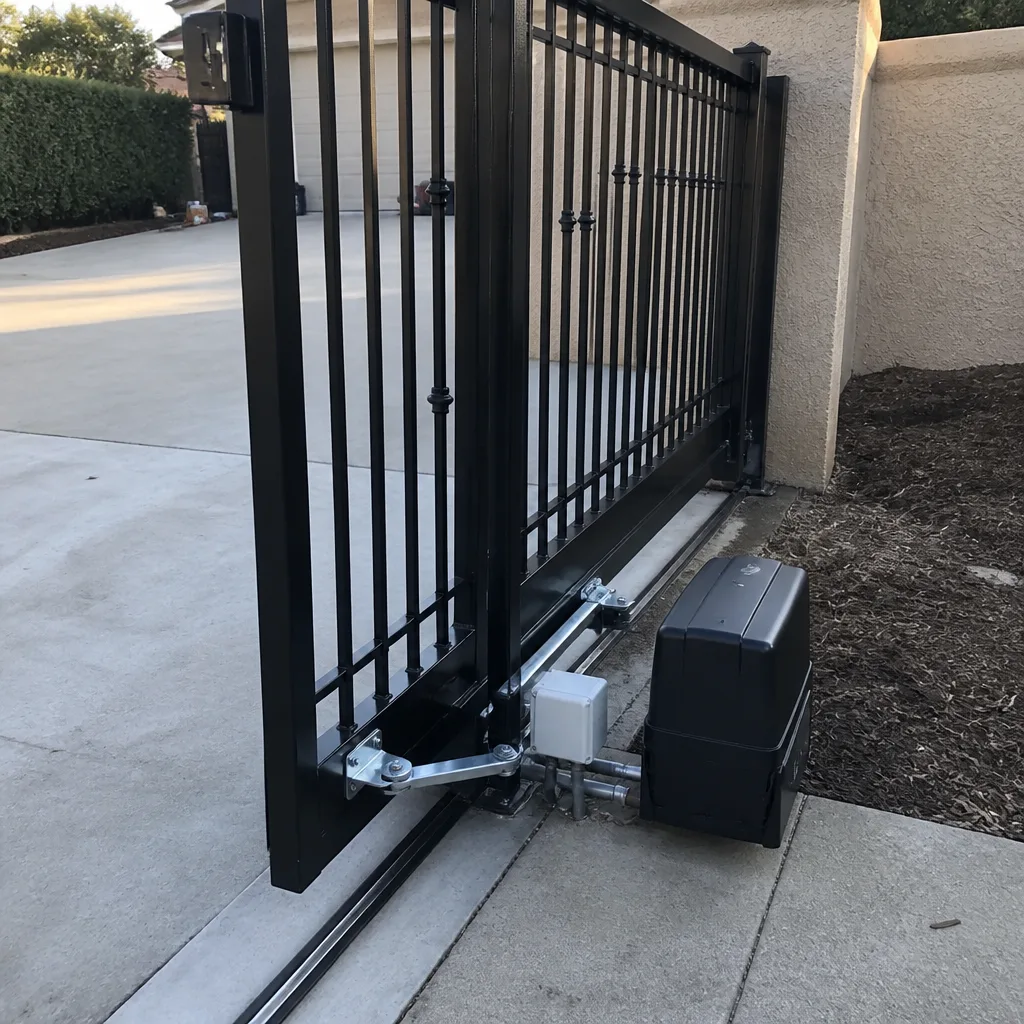
Professional programming on LiftMaster, FAAC, BFT, Linear, Viking, Ghost Controls, DoorKing, Elite, and Mighty Mule operators involves setting the limits, testing the force with a gauge, calibrating the safety edges and photo eyes, and running a full cycle test. It takes 45 to 90 minutes and costs $125 to $250, depending on the operator. If the operator is properly programmed, it doesn’t just work; it works safely. More detail is here: Electric Gate Repair in Fresno.
Cost Comparison: A Sagging Wood Gate in Fresno
Let’s walk through one borderline repair that Fresno homeowners face constantly: a wood driveway gate that’s started dragging on the ground and won’t latch without lifting. This is the clearest example of how the DIY path and the professional path can diverge in cost, because the root cause isn’t visible until you start looking.
The DIY path. The homeowner guesses the hinges have sagged and the latch has shifted. They drive to the hardware store and buy a hinge kit and a new latch: $35. They spend a Saturday afternoon unbolting the old hinges, installing the new ones, and realigning the latch: 4 hours. The gate closes better for a month or two. Then the dragging returns, because the real problem was the post pulling away from the footer, and the new hinges just gave the gate a slightly different pivot point to lean on. The latch gets adjusted again. The hinges get shimmed. Within a year, the homeowner has spent $75 on parts and two weekends of labor, and the gate still scrapes the ground when it’s hot, because Fresno’s summer heat softens the wood and amplifies the lean.
The professional path. A technician arrives, pushes on the post, and finds a quarter inch of movement at the base. The fix is a post reset in new concrete with a proper footer, plus hinge adjustment and latch realignment once the post is plumb. The diagnostic is 45 minutes. The repair is a half day. The invoice is $350 to $550, depending on the post and the concrete work. The gate closes cleanly and latches without lifting, and the work is covered by a 365-day warranty. If it’s wrong, the company makes it right. Compare that to two weekends of scrapped knuckles and a gate that still drags, and the $350 is the cheaper option by any honest measure.
The reason this comparison matters is that the DIY-or-hire decision isn’t about how hard you’re willing to work. It’s about whether the work you’re doing addresses the problem that exists. Latch and Post Gate Repair Fresno, part of the Cedarwell family and independently operated since 2009, has built its Latch and Post Gate Repair Fresno home service around answering that question correctly the first time.
What to Document Before Any DIY Attempt
If you decide to try a DIY gate repair in Fresno, take 10 minutes to photograph and write down the current state of the gate. Not because you’re building a case for a warranty, but because if the DIY fix doesn’t hold, the professional who eventually arrives needs to see what you saw before you touched anything. Documentation shortens the diagnosis from an hour of guesswork to 20 minutes of confirmed observation, and it saves you $100 or more on the diagnostic time.
Here’s what to capture, in order:
- Photograph the gate from both sides, full frame. Stand 10 feet back so the entire gate and both posts are visible. This shows the overall lean, the gap at the top and bottom of the latch side, and any ground contact.
- Photograph every hinge, close up. Hinge wear patterns tell a story: a shiny wear mark on the top hinge means the gate is pulling down, while a gap at the bottom hinge means the post is leaning away.
- Photograph the latch and strike plate alignment. A straight-on shot of the latch meeting the strike plate, with the gate in the closed position, shows exactly how far off the alignment is.
- Photograph the post bases where they meet the ground or concrete. Look for cracks in the footer, a visible gap between the post and the concrete, or soil pulled away from the base. Fresno’s clay soil leaves telltale shrinkage cracks in summer.
- Write down what the gate does when you open and close it. Does it drag at a specific point? Does it stick at the latch? Does it swing too fast and bounce? Note it in plain language.
- Write down the operator model number if the gate is automatic. It’s on a label on the operator arm or the control box. Knowing whether it’s a LiftMaster, BFT, Linear, Viking, Ghost Controls, DoorKing, Elite, or Mighty Mule speeds up parts identification later.
This documentation costs nothing and takes 10 minutes. It’s the difference between a professional showing up and saying “the post has shifted a quarter inch since your last latch replacement” versus “let’s take everything apart and guess.”
How Fresno’s Climate Changes the DIY Math
Fresno’s climate does two things to gates that homeowners in coastal California don’t deal with. First, the summer heat regularly exceeds 100°F for weeks at a time, which softens wood, bakes paint, and expands metal. Second, the clay-heavy soil shrinks dramatically when it dries, opening cracks and shifting shallow footers. Both of these factors mean that a DIY fix that works in a mild climate may fail in Fresno within a single season.
Here’s what that means in practice. A wood gate that drags in August might close fine in December, when the soil has absorbed winter rain and swelled back to hold the post. A homeowner who shims the hinges in August might find the gate binding in December, when the post has moved back in the other direction. The professional approach in Fresno is to set posts deeper than the active soil layer and to account for seasonal movement in the hinge and latch alignment. That’s not a fix; it’s a strategy.
For paint and stain, the Fresno summer is actively hostile to DIY work. Exterior paint applied at 100°F flashes over before it bonds, and it peels within a year. The right window is March through May or September through October, when daytime temperatures hold between 60°F and 85°F. If you’re painting a gate panel yourself, do it in that window with an exterior-grade product rated for UV exposure. Fresno’s sun will destroy an interior paint within two summers.
The takeaway: if the repair you’re considering is affected by soil movement or UV exposure, and you don’t want to revisit it next season, the professional route in Fresno is often the more durable one. If you’re in the market for a new gate instead of a repair, Gate Installation in Fresno walks through what to expect from a proper install in this climate.
Safety Boundaries Every Homeowner Should Respect
Gates are heavier than they look. A standard 6-foot by 4-foot wood driveway gate can weigh 80 to 120 pounds. A steel driveway gate can top 300 pounds. When a gate falls off its hinges or an operator runs it past its limits, the force involved is enough to break bones. A few safety boundaries are worth stating plainly.
Never remove both hinges from a gate without supporting the gate first. If a gate is bolted to its hinges and you remove the top hinge bolts, the gate pivots downward and can swing into you or a child. Use a support block or a second person to hold the gate’s weight while you work. This is the most common DIY gate injury, and it’s entirely avoidable.
Never work on an electric operator while it’s plugged in. This isn’t about shock; it’s about the gate moving unexpectedly when the operator cycles or resets. Disconnect the power and, if there’s a battery backup, disconnect that too. A Gate operator that activates while you’re working in its travel path is a crush hazard.
Never adjust spring tension on a self-closing gate without understanding the spring’s energy. A tensioned spring stores energy, and releasing it suddenly can snap the spring or the bracket. If the spring is visibly rusted or the bracket is cracked, don’t touch it; the metal is under load and can fail without warning.
Never attempt a welded repair without certified welding equipment and experience. A bad weld on a gate that weighs hundreds of pounds fails suddenly, not gradually. The gate falls off the hinge or breaks at the joint, and whatever or whoever is in its path takes the full weight.
When a repair involves any of these boundaries, the responsible choice is a trained professional. Latch and Post technicians follow the Cedarwell C.A.R.E. values on every visit: clean up like it’s our own home, ask before we move or touch anything, respect the family’s time and quiet hours, and explain the price before the work.
Common Mistakes to Avoid
- Replacing the latch when the post is the problem. This is the single most common DIY gate mistake we see in Fresno. The latch is the symptom; the shifted post is the cause. Fixing the latch just moves the problem down the road a few months.
- Using interior paint or stain on an exterior Fresno gate. Fresno’s UV index breaks down interior-grade finishes within one to two summers. Use exterior-rated products and apply them in spring or fall, not during a 100°F heat wave.
- Setting a post in shallow concrete without bracing. A gate post set 8 inches deep with quick-set concrete and no bracing will lean within a season, especially in Fresno’s shrink-swell clay. Proper footers are 18 to 24 inches deep and braced for 24 to 48 hours.
- Programming an operator without testing the force settings. This voids the UL 325 entrapment certification and creates a real crush hazard. The gate might move, but it won’t reverse when it should.
- Ignoring the seasonal movement pattern. If a gate drags in summer and closes fine in winter, the post is moving with the soil. Adjusting the hinges every season treats the symptom; resetting the post in a proper footer treats the cause.
- Removing both hinges without supporting the gate. A falling gate can break bones. This one mistake causes more injuries than every other DIY gate repair error combined. Always support the gate’s weight before removing hinge bolts.
When to Call a Professional
Call a professional when the post moves, the footer is cracked, the operator is acting up, or a weld has failed. These are the repairs where the failure mode is structural or electronic, and where a wrong fix can injure someone or cost more to correct than the original repair would have. Also call when you’ve done a DIY fix and the gate has failed again within a season; that’s a signal the root cause is deeper than the part you replaced. Latch and Post Gate Repair Fresno offers free estimates in Fresno, and every job comes with a written price before work starts, shoe covers and drop cloths on every visit, and a cleanup photo before we leave. Call (559) 785-2501 to talk through what you’re seeing.
Frequently Asked Questions
Most gate repairs in Fresno fall between $125 and $600. A simple latch replacement on a stable post runs $15 to $45 in parts if you DIY it, or $125 to $225 with a professional. A post reset in concrete runs $250 to $600. An electric operator repair or programming call runs $125 to $250. Every Latch and Post repair comes with a written price before work begins, so you know the number up front. Call (559) 785-2501 for an exact quote, and the estimate is free.
You can replace hinges and adjust the latch yourself if the post is stable, but a sagging gate in Fresno is usually caused by a post that has shifted in the clay soil. If the post moves when you push on it, a DIY hinge replacement won’t fix the sag for long. The root-cause fix is a post reset, which requires a proper footer and bracing, and that’s a professional job.
Latch replacement on a stable post, painting or staining a wood gate panel, lubricating hinges, tightening loose hardware, and replacing a gate handle are all safe DIY projects. The total parts cost is usually under $60, and the time is under 4 hours. Stop and call a professional if the post moves, the alignment is off by more than an eighth of an inch, or a bolt spins without tightening.
An electric gate that reverses on its own usually means the force settings or limit settings are incorrect, or the safety sensors are misaligned. On LiftMaster, BFT, Linear, Viking, Ghost Controls, DoorKing, Elite, and Mighty Mule operators, these settings must be calibrated to the specific gate’s weight and travel. Incorrect settings violate the UL 325 entrapment standard and create a crush hazard. A professional programming call fixes this in under 90 minutes.
A residential gate post footer in Fresno should be 18 to 24 inches deep to get below the active soil layer that shrinks and swells with seasonal moisture. Shallow footers set 8 to 10 inches deep are the number one cause of leaning posts and sagging gates in the area.
Yes. Latch and Post Gate Repair Fresno, part of the Cedarwell family since 2009, offers free estimates in Fresno. Call (559) 785-2501 and a live person answers, 24/7. You’ll get a written price before any work begins, shoe covers and drop cloths on every visit, and a cleanup photo before the technician leaves.
The Bottom Line
The DIY-or-hire decision for gate repair in Fresno comes down to one question: is the post stable? If it is, and the repair is a part swap like a latch or a hinge, a careful homeowner can do it in an afternoon for under $60. If the post moves, the footer is cracked, an electric operator is involved, or a weld has failed, the failure mode is structural or electronic, and a professional is the only reasonable call. A wrong DIY fix in Fresno’s clay soil and summer heat fails within a season, and the correction costs more than the original professional repair would have. When in doubt, call Latch and Post Gate Repair Fresno at (559) 785-2501 and describe what you’re seeing; a live person answers, and the estimate is free. For more guides & resources, visit our blog.
Written by Cody Beckman, Owner at Latch and Post Gate Repair Fresno, serving Fresno since 2009.
See the difference
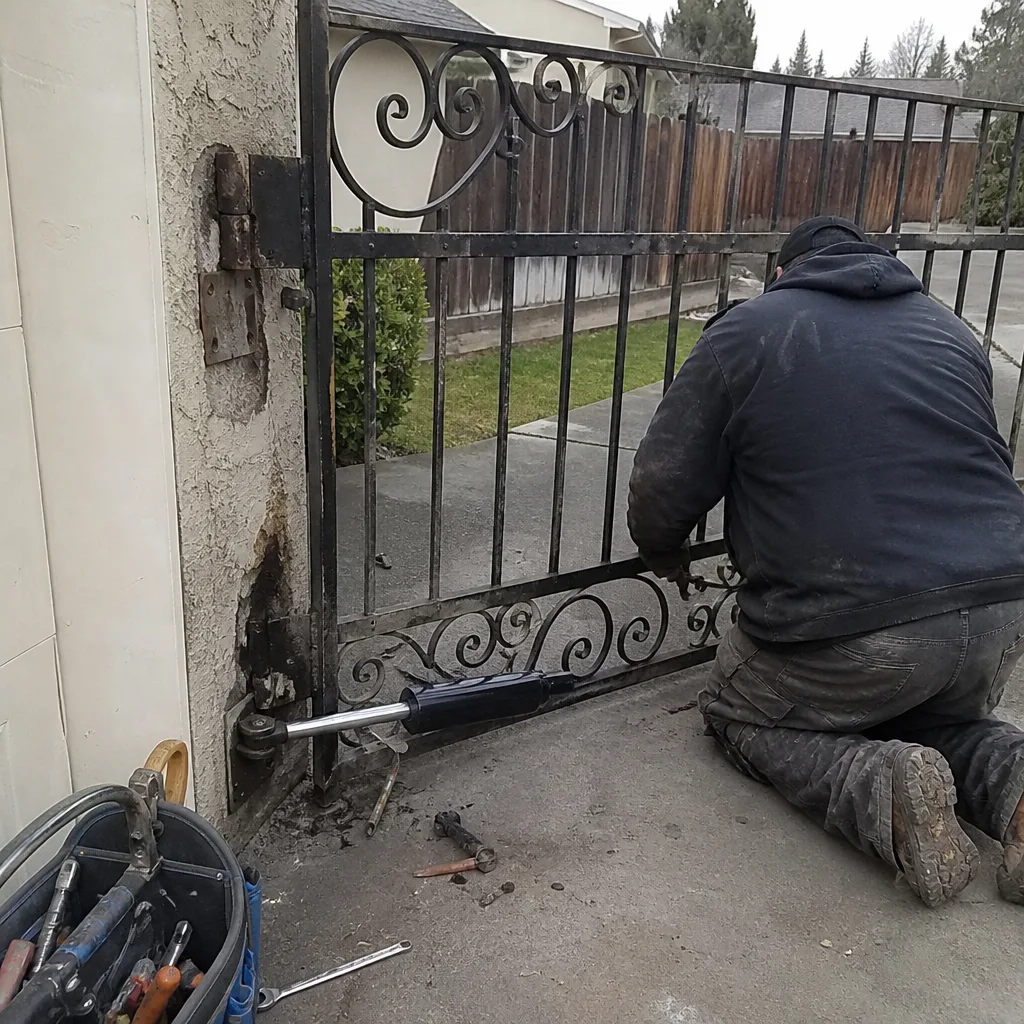 Before
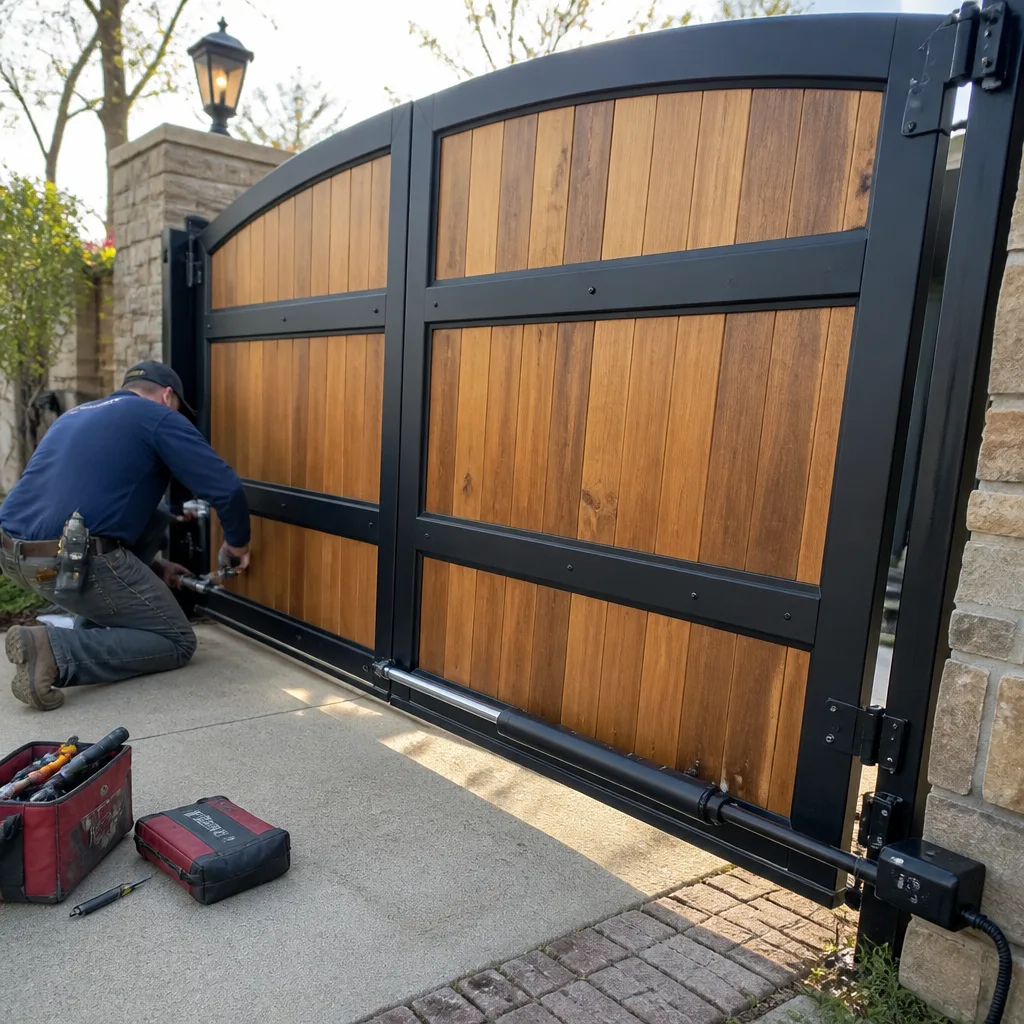 After
After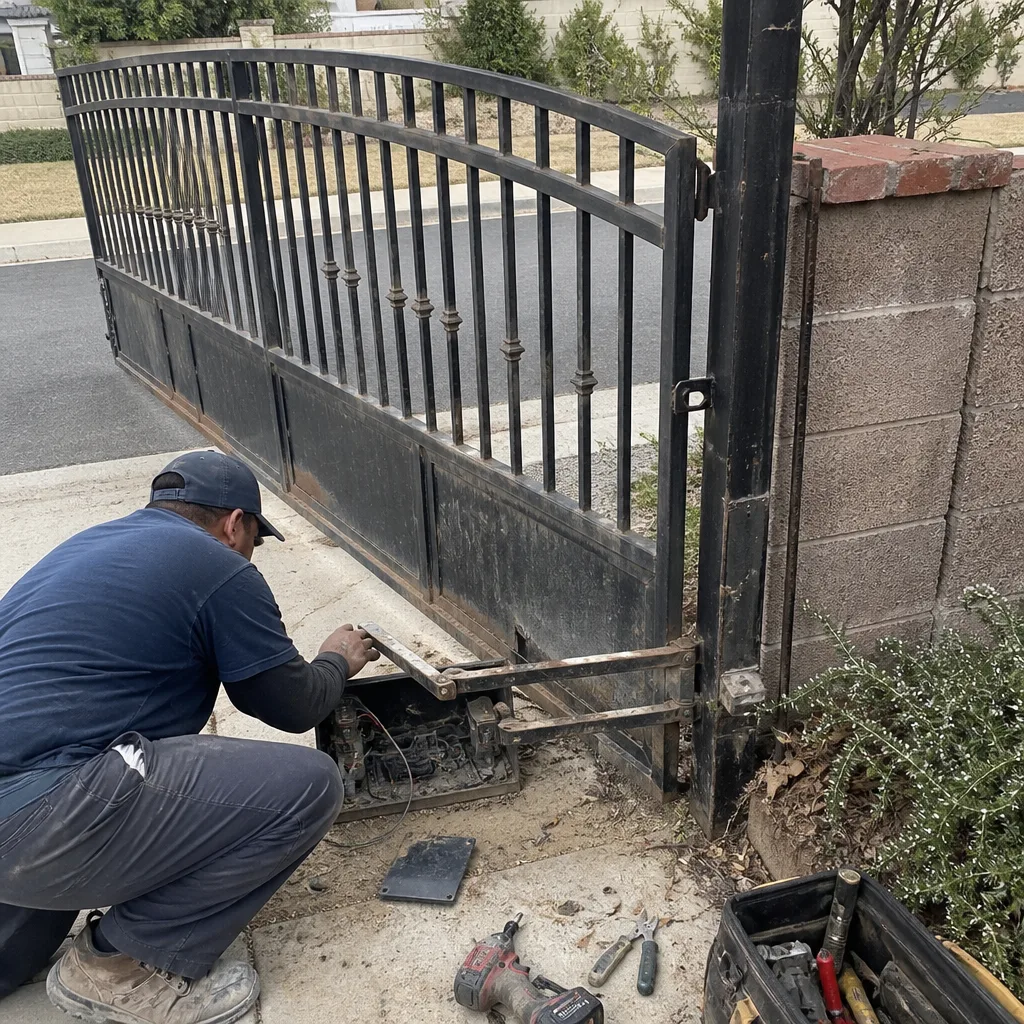 Before
 After
After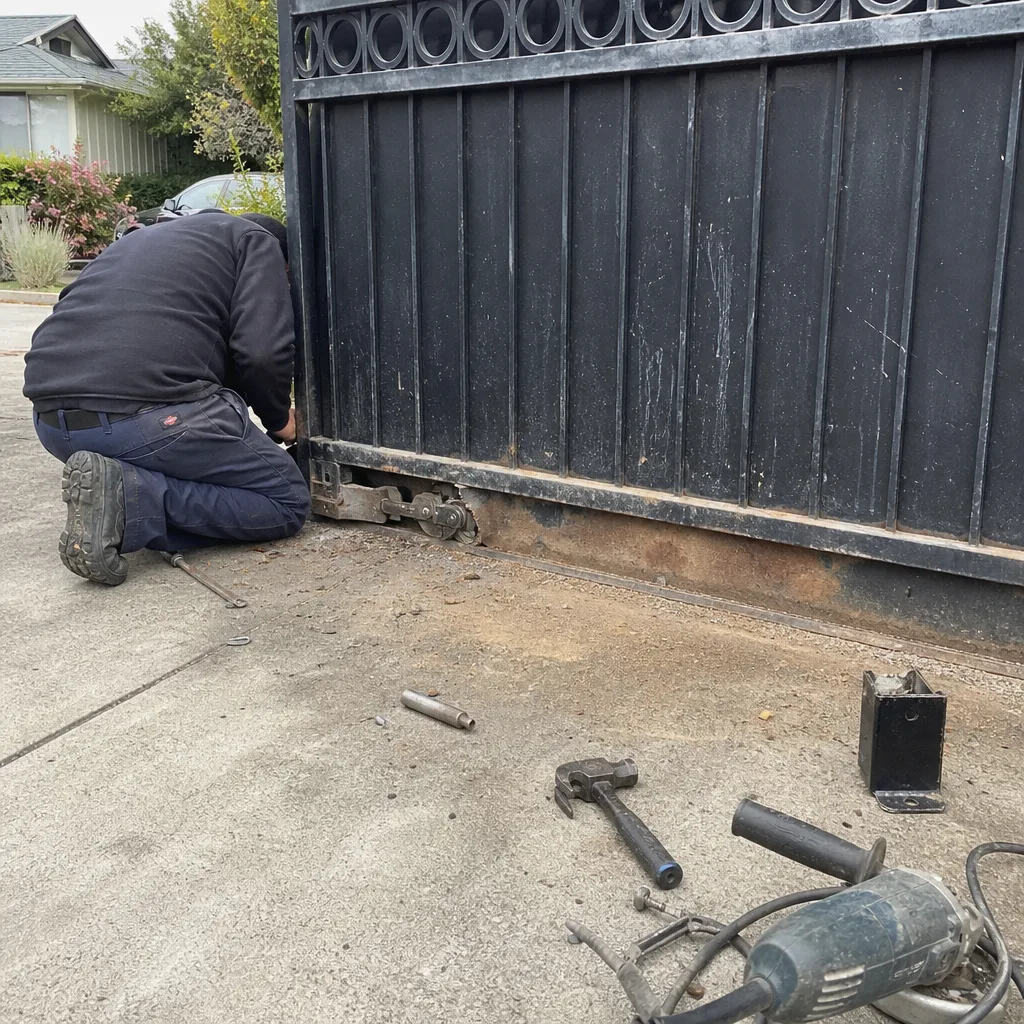 Before
 After
After